
A brighter smile is something many people want, whether it’s for a special occasion, work confidence, or simply feeling better when looking in the mirror. With so many whitening options available today, it can be difficult to know which route is actually worth taking. Should you invest in professional teeth whitening Bracknell, or are at-home kits enough to get the results you want?
The reality is, both options can help brighten stained or discoloured teeth — but the overall experience, the results you get, and how long they last can be quite different. Understanding how each treatment works can help you make the right choice for your smile, lifestyle, and budget. The Power of a Bright Smile: Boosting Confidence and Elevating Self-esteem
Why Do Teeth Become Discoloured in the First Place?
Teeth naturally lose brightness over time. Everyday habits and ageing both play a part in changing the colour of enamel.
Some of the most common causes include:
- Tea and coffee
- Red wine
- Smoking
- Certain foods and sauces
- Poor oral hygiene
- Ageing
- Some medications
Even people who brush regularly may notice their teeth becoming dull over the years. This is actually very common, which is one of the biggest reasons whitening treatments have become so popular.
What Is Professional Teeth Whitening?
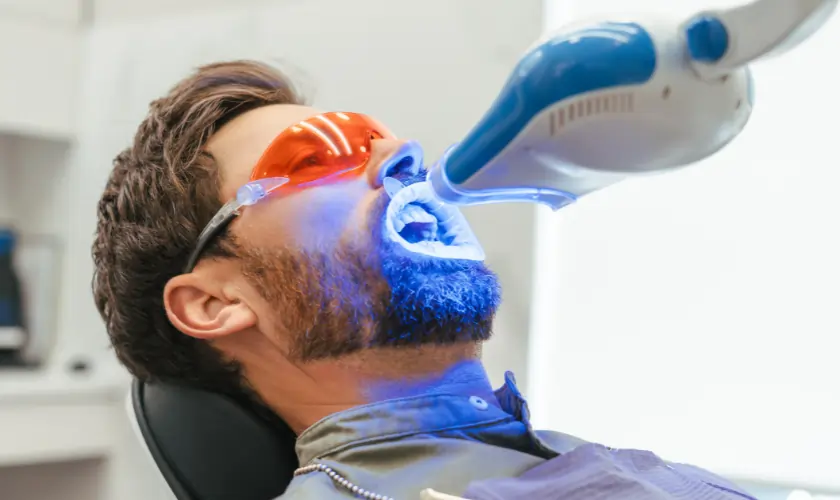
Professional teeth whitening Bracknell is a treatment carried out by a qualified dental professional or trained whitening specialist. It usually involves applying a stronger whitening gel to the teeth, often combined with an LED or laser light to help speed up the process.
The treatment is designed to safely remove stains while giving quicker and more noticeable results compared to most at-home whitening kits.
Many people choose professional whitening because it offers:
- Faster visible results
- More effective whitening formulas
- A smoother, more even finish.
- A safer treatment process
- Expert support and advice throughout
In many cases, teeth can look several shades whiter after just one treatment session.

How Does At-Home Teeth Whitening Work?
Home-whitening products are meant to help you make your teeth as white as easily and cheaply as possible. These treatments can include:
- Whitening strips
- Whitening pens
- LED whitening kits
- Whitening toothpaste
- Custom trays with whitening gel
Having said that, most at-home products have whitening agents of lower strength than professional systems. As a result, the results are generally more gradual and not as drastic. Navigating Teeth Sensitivity: Your Guide to Safe Whitening Treatments
Even subjects you might consider lightly stained may still show improvement with home treatments over time.
Which Option Gives Faster Results?
This is one of the biggest differences between the two treatments.
Professional whitening is usually much quicker. Most people can see a noticeable difference after just one session, which is why it’s often chosen before weddings, holidays, job interviews, or other important occasions.
At-home whitening kits normally take longer, with results building gradually over several days or weeks before you start to notice a real change.
If speed matters to you, professional whitening is usually the stronger option.
Is Professional Teeth Whitening Safer?
Safety often depends on how the whitening treatment is used.
Professional whitening treatments are usually carried out under professional supervision, which can help lower the chances of problems such as:
- Gum irritation
- Patchy or uneven whitening
- Increased tooth sensitivity
- Issues caused by overusing whitening products
At-home whitening products can still be safe when used properly, but problems are more likely when instructions aren’t followed correctly. Some people use whitening kits too frequently or leave them on for longer than advised, which can sometimes lead to extra sensitivity.
Having professional guidance can provide reassurance, especially for people with sensitive teeth or existing dental concerns.
Does At-Home Whitening Actually Work?
Yes — in many cases, it can.
However, expectations are important. Home whitening is very effective for mild results and slower progress. Weaker formulas may not address deeper or more severe staining.
Results will also differ based on the quality of the product and its consistent use.
While some individuals are pleased with the mild brightening achieved at home, others find that they prefer the more dramatic change a specific whitening can offer. The Essential Role of Professional Dental Advice in Teeth Whitening Bracknell
Which Treatment Lasts Longer?
How long teeth whitening Bracknell lasts usually comes down to your everyday habits after treatment.
Professional whitening tends to last longer because it uses stronger whitening formulas. Many people keep their results looking good for months by maintaining good oral hygiene and having the occasional top-up treatment.
At-home whitening may fade more quickly, especially if staining habits continue.
To help keep teeth whiter for longer, it’s usually recommended to:
- Reduce smoking
- Limit staining drinks
- Rinse after coffee or tea.
- Maintain regular brushing
- Attend routine dental cleanings.
No whitening treatment is completely permanent, but good aftercare can make a noticeable difference.

Is Teeth Sensitivity Normal After Whitening?
Some temporary sensitivity after teeth whitening Bracknell is quite common, particularly within the first 24–48 hours after treatment.
People usually describe it as:
- A slight tingling feeling
- Sensitivity when drinking something cold
- Short bursts of discomfort
Professional whitening treatments are normally adjusted to help reduce sensitivity, whereas some over-the-counter products can sometimes feel harsher, especially if they’re used too often.
Most sensitivity settles quickly and does not last long-term.
Is Professional Whitening Worth the Extra Cost?
This really comes down to what’s most important to you.
Professional whitening can cost a bit more at the start, but many people feel the quicker results, more noticeable whitening, and added reassurance of professional supervision make it worthwhile.
At-home treatments are typically more budget-friendly and can still work well for people wanting a gradual improvement.
The best choice often comes down to:
- Your budget
- The level of whitening you want
- How quickly do you want results?
- Whether you prefer professional support
Who Should Avoid Teeth Whitening?
Not all people find professional whitening treatments to be suitable for them, however.
The following people should seek professional advice before whitening:
- Gum disease
- Tooth decay
- Cracked teeth
- Extremely sensitive teeth
- Crowns or veneers as dental restorations
Similarly, if you are a woman who is pregnant or breastfeeding, it is generally advised that you wait before doing whitening treatments. Bright Smiles and Hidden Dangers: Unveiling the Risks of Teeth Whitening Treatments Bracknell
Consult with a professional to determine if whitening is right for your smile.
Can Whitening Damage Teeth?
When used properly, approved whitening treatments are generally considered safe.
Problems are more likely to happen when:
- Products are overused
- Cheap, unregulated kits are used.
- Instructions are ignored
- Whitening is performed too frequently.
This is why many people prefer professional treatment, as it reduces the guesswork and lowers the risk of misuse.
So, Which Teeth Whitening Option Is Better?
There is no universal answer for everyone.
Many people, on the other hand, prefer professional whitening that can even be recommended for those who wish:
- Faster results
- A brighter overall finish
- Professional supervision
- Longer-lasting whitening
Home whitening may be more of a fit for those who like:
- Lower costs
- Gradual improvements
- Convenience
- Maintenance between professional treatments
Each treatment plays a role, and the ideal option depends entirely on your goals and ambitions.
FAQs
Q: Why do my teeth still look yellow even though I brush them every day?
Brushing helps keep teeth clean, but it cannot always remove deeper stains caused by coffee, tea, smoking, ageing, or certain foods. Whitening treatments are often needed to properly brighten the enamel.
Q: I tried an at-home whitening kit but barely noticed any difference — why?
A lot of at-home whitening kits Bracknell contain lower-strength ingredients, so the results are often more gradual and not always very noticeable. If your teeth have deeper or older stains, professional whitening treatments may give more visible results.
Q: My teeth became sensitive after whitening treatment — is that normal?
Yes, mild sensitivity is quite common after whitening. It usually settles within a couple of days and is often temporary.
Q: I drink coffee every day — will my teeth become stained again after whitening?
Yes, coffee and other dark drinks can re-stain teeth in layers over time. As long as you maintain good oral hygiene and get a top-up from time to time, the results will last longer.
Q: I’m worried about damaging my teeth — can whitening weaken enamel?
Generally, when done correctly, misusing whitening is safe. Excessive use of products or improper use in poorly formulated kits are where most issues arise.
Q: I have crowns and fillings — will whitening treatments work on them too?
Whitening products normally only work on natural teeth and may not lighten crowns, fillings, or veneers in the same way. A Complete Guide to Understanding and Managing Tooth Sensitivity Bracknell


