Teeth Whitening Showdown: In-Office vs. At-Home – Which is Right for You?

Table of Contents
Discover the pros and cons of in-office versus at-home teeth whitening to find the best option for your smile enhancement needs.

Understanding Teeth Whitening Methods: An Overview Bracknell

Teeth whitening is an increasingly popular cosmetic dental procedure that enhances the aesthetics of a smile by removing stains and discolouration. The practice has gained popularity, with surveys indicating that nearly 90% of patients express a desire for whiter teeth during their dental consultations. Such significant interest underscores the cultural emphasis on bright, white smiles, often associated with youth and attractiveness. There are two primary methods for achieving whiter teeth: in-office professional procedures and at-home treatments, each with distinct attributes and considerations.

In-office whitening is typically more intensive and conducted under the supervision of dental professionals. This professional oversight substantially reduces the risks associated with the whitening process, enabling targeted treatment to address individual needs. Conversely, at-home options offer greater convenience and flexibility, appealing to those who prefer to manage their whitening regimen at their own pace. Understanding the differences between these methods is crucial for individuals looking to make informed decisions about their dental care and aesthetic goals.

Overview of In-Office Teeth Whitening Bracknell

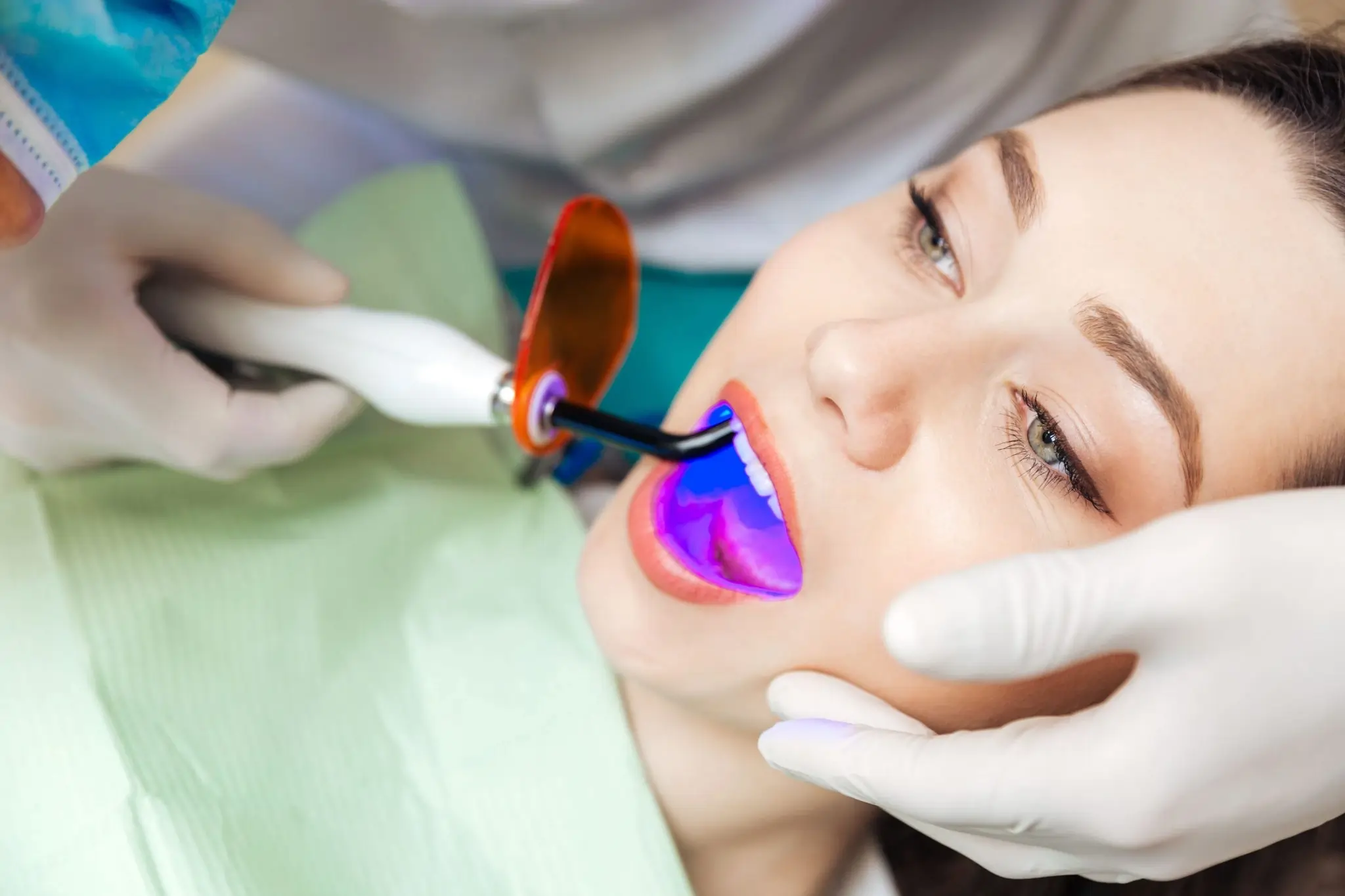
In-office whitening uses high-concentration bleaching agents, often activated by lasers or lights, producing immediate, dramatic results. Popular procedures include Zoom, Britesmile, Opalescence, and Lumibrite, which usually cost around £500 per session. One notable advantage of in-office treatments is the professional oversight that minimises the risk of misuse; dental professionals can ensure that the gums and soft tissues are adequately protected during the process. This level of care is particularly beneficial for individuals with sensitive teeth or those who have had previous dental work, as the dentist can tailor the treatment accordingly.

Typically, an in-office whitening session lasts about one hour, making it an ideal choice for individuals seeking quick, effective results. Many patients report visible improvements immediately, often achieving several shades lighter after just one session. For instance, a bride-to-be may opt for an in-office treatment just days before her wedding to ensure her smile is picture-perfect for the big day. Furthermore, immediate results can significantly enhance self-esteem and confidence, which are often primary motivations for seeking such treatments. Laser Teeth Whitening vs Overnight Trays: Which Method Brightens Your Smile Best?

In-office whitening procedures can also be complemented by professional advice on maintaining results after treatment. Dentists can provide tailored recommendations on oral hygiene practices, diet modifications, and the use of whitening toothpaste to help sustain the brightness achieved during the procedure. This comprehensive approach ensures that patients not only leave the office with a brighter smile but also possess the knowledge to maintain it effectively.

A bright white smile showcasing effective teeth whitening results Bracknell

Overview of At-Home Teeth Whitening Bracknell

At-home whitening options include strips, trays, gels, and dentist-prescribed kits, with prices ranging from £15 to £300. These products typically contain lower concentrations of hydrogen peroxide, making them less effective than professional treatments. However, they offer significant convenience and flexibility, allowing users to incorporate whitening into their daily routines without scheduling appointments. This accessibility appeals to those who prefer a less invasive approach or have tighter budgets.

While some individuals may find success with at-home whitening solutions, achieving the desired results requires careful adherence to the application instructions. For instance, someone using over-the-counter whitening strips may not reach the expected brightness if they do not apply them consistently or leave them on for the recommended duration. The potential for uneven results can discourage some users, particularly if they do not follow the guidelines precisely. This highlights the importance of educating oneself about the product being used to ensure proper application and maximise effectiveness. Best Way To Achieve Whiter Teeth!

To enhance the efficacy of at-home whitening treatments, many manufacturers provide user-friendly guides and tips for optimal application. These resources can help individuals understand the best practices for achieving even results and maintaining brightness over time. Additionally, some dental professionals may offer custom trays as part of their at-home kit options, providing a more tailored approach that can mimic the effectiveness of in-office treatments if used correctly. This combination of convenience and professional backing can make at-home whitening a viable option for many individuals.

Effectiveness Comparison Bracknell

When comparing the effectiveness of in-office and at-home whitening methods, professional whitening typically yields immediate, dramatic results because it uses more potent bleaching agents. In contrast, at-home treatments can achieve similar outcomes but normally require longer durations and consistent use to notice significant changes. For example, a person using a home whitening kit may need several weeks of daily application to achieve results comparable to a single one-hour in-office session.

Both methods have been shown to provide effective shade improvement; however, results may vary based on the extent of tooth discolouration and the products used. For example, someone with mild surface stains may find at-home kits satisfactory, while others with deeper stains may benefit more from in-office treatments for quicker, more noticeable results. This variation underscores the need for individuals to assess their unique dental conditions and expectations when choosing a whitening method.

Moreover, the effectiveness of at-home products can vary significantly by brand and formulation. Some over-the-counter options may contain lower-quality ingredients or ineffective concentrations, resulting in less impactful outcomes. In contrast, professional treatments are designed to deliver consistent, reliable results because they use higher-quality products and are performed under controlled conditions. This difference can be a critical factor for individuals with specific aesthetic goals who want to ensure a successful whitening experience.

Safety and Potential Side Effects Bracknell

In-office whitening is generally safer due to its professional administration, which minimises risks such as gum irritation and tooth sensitivity. This is particularly important for individuals with sensitive dental conditions, as dentists can employ protective measures to shield the gums during the procedure. Conversely, at-home products may lead to uneven results and potential gum damage if misused, especially for individuals with untreated dental issues. A systematic review found no significant difference in tooth sensitivity between the two methods, suggesting both are safe when used appropriately.

Patients undergoing in-office treatments may experience temporary sensitivity after the procedure, which is typically manageable with over-the-counter pain relief. Individuals should communicate any sensitivity or discomfort to their dentist, who can recommend specific post-treatment care to address these issues. For instance, using toothpaste designed for sensitive teeth can help ease discomfort after whitening treatments.

At-home whitening kits also carry safety concerns. Users may not always follow instructions accurately, leading to overuse or improper application, which can damage gums and enamel. Individuals are encouraged to consult their dentist before starting any at-home whitening regimen, especially if they have pre-existing dental issues, to ensure they choose a method appropriate for their oral health. This proactive approach can help mitigate potential side effects and enhance the overall safety of the whitening experience. Is Laser Teeth Whitening a Smart Investment? Unpacking the Costs and Benefits

Cost Analysis

In-office teeth whitening treatments are generally more expensive, averaging around £500 per session, and are usually not covered by dental insurance. This higher cost can deter some individuals, especially those on a tight budget. However, many patients find the immediate results and professional care justify the expense. For instance, someone preparing for a significant life event, like a job interview or a wedding, may consider the cost worthwhile to achieve a brighter smile quickly.

In contrast, at-home treatments are more affordable, with prices ranging from £15 to £300, making them accessible to a broader audience. While the upfront cost of at-home kits is lower, individuals should consider that multiple applications may be necessary to achieve the desired results, potentially increasing the overall expense. For example, a person may invest £150 in a kit that requires consistent use over several weeks, which could ultimately approach the cost of a professional treatment if additional kits are needed for touch-ups.

Furthermore, the cost of both methods should be weighed against the potential long-term benefits. Regular professional whitening sessions can lead to lasting results, while at-home options may require ongoing purchases to maintain the desired brightness. Patients may also benefit from discussing their options with a dental professional, who can help them evaluate the cost-effectiveness of each method based on their personal goals and dental health needs.

Professional teeth whitening procedure in a dental clinic Bracknell

Convenience and Accessibility

In-office whitening procedures necessitate appointments, which can be challenging for individuals with busy schedules. The need to travel to a dental clinic and take time off work or family commitments can make this method less appealing for some. At-home kits offer the flexibility to whiten teeth at your convenience, allowing you to incorporate treatments into your daily routine without scheduling appointments. This accessibility appeals to those who prefer a less invasive approach or have tighter budgets.

Moreover, dentist-prescribed at-home kits can bridge the gap between in-office treatments and DIY options, offering professional-grade results while allowing users to manage their schedules. These kits often include custom trays that fit the individual’s teeth perfectly, increasing the likelihood of achieving effective results. The combination of professional quality and convenience makes these kits a popular choice for many patients seeking to balance their busy lifestyles with their cosmetic dental goals.

The availability of various at-home whitening products through online retailers and pharmacies further increases consumer choice. This vast selection enables individuals to find options that suit their needs and budgets, ranging from simple whitening strips to more advanced gel systems. Many products also come with user-friendly guides, enhancing the likelihood of satisfactory results when applied correctly. With the correct information and tools, individuals can achieve impressive results without professional intervention.

Suitability for Different Candidates Bracknell

Candidates for in-office whitening must have healthy teeth and gums, and a professional evaluation is required to determine suitability. This evaluation is crucial as it ensures that any underlying dental issues are addressed before commencing whitening treatments. For instance, a patient with untreated cavities may be advised to seek restorative treatment before proceeding with whitening, as discolouration could recur if the underlying problem is not resolved.

At-home products are widely available; however, caution is warranted for individuals with untreated cavities or gum disease, as specific whitening agents may exacerbate these conditions. Furthermore, individuals with particular types of tooth discolouration, such as intrinsic stains caused by trauma or medication, may find that neither method yields satisfactory results, and alternative treatments, such as veneers, may be recommended instead. Consulting a dental professional can help individuals navigate these complexities and determine the most suitable whitening option for their specific conditions.

Individuals with sensitive teeth should also seek professional advice before choosing a whitening method. Dentists can offer tailored recommendations, ensuring that patients select a product or treatment that minimises discomfort while achieving their desired results. For example, individuals with sensitivity may benefit from professional treatments that incorporate desensitising agents or from customised at-home kits that provide a more controlled whitening experience. See Our Prices For Teeth Whitening

Maintenance of Whitening Results Bracknell

To maintain whitening results, individuals are advised to avoid staining foods and beverages such as coffee, red wine, and tobacco. These substances can significantly contribute to tooth discolouration over time, undermining the results of whitening treatments. Regular dental check-ups and touch-up treatments, whether at home or in-office, can also help prolong the results of whitening procedures. For example, a patient who undergoes professional whitening may schedule follow-up treatments every six months to maintain their bright smile.

Incorporating whitening toothpaste and mouthwash into one’s dental care routine can also help preserve tooth brightness after treatment. These products often contain mild abrasives and specialised whitening agents that remove surface stains while being gentle on enamel. Patients can also benefit from practising good oral hygiene, including regular brushing and flossing, to prevent plaque buildup and stains that can dull their teeth’s appearance. Is Laser Teeth Whitening the Bright Solution for Stained Teeth?

Some individuals may choose to undergo periodic professional touch-up treatments to refresh their results, especially before significant events such as weddings or job interviews. This proactive approach helps maintain the brightness of their smile and boosts confidence for important occasions. By understanding the importance of maintenance, patients can ensure their investment in teeth whitening continues to deliver results over time.

Key Takeaways: Evaluating Your Teeth Whitening Options Bracknell

Both in-office and at-home teeth whitening methods have unique advantages and drawbacks, making the choice dependent on individual needs and circumstances. Consulting with a dental professional can provide valuable guidance on the most appropriate approach based on one’s dental health and desired results. Understanding the variations in cost, convenience, effectiveness, and safety will empower individuals to make informed decisions about their teeth-whitening journey.

Ultimately, the decision between in-office and at-home teeth whitening should align with personal preferences, lifestyle, and dental needs. Whether one opts for the immediacy of professional treatments or the flexibility of at-home kits, the goal remains the same: achieving a brighter, more confident smile. By staying well-informed and proactive, individuals can navigate their whitening options effectively and enjoy a radiant smile for years to come.

FAQs — In-Office vs. At-Home Teeth Whitening
  1. What are the main differences between in-office whitening and at-home whitening?

In-office whitening is performed under professional supervision, uses high-concentration bleaching agents that are often activated by special lights or lasers, and delivers fast, dramatic results — usually several shades whiter in one brief session. At-home whitening uses lower-strength gels, strips, trays, or kits applied at home over time. Results appear gradually and require consistent use for several days or weeks to become noticeable.

  1. Which method gives faster results?

In-office whitening delivers faster results—many people notice a difference after a single 1-hour session. At-home methods are slower and require repeated applications over days or weeks to build up effect.

  1. Are in-office treatments more effective than at-home kits?

Generally, yes, because in-office treatments use more potent bleaching agents and are applied under controlled, professional conditions, they achieve more dramatic and more uniform whitening. At-home kits can still be effective — especially for mild surface stains — but results are usually more modest and depend heavily on consistent and correct application.

  1. What about cost — is one option much cheaper than the other?

Yes — at-home whitening kits are significantly cheaper, ranging roughly from £15 to £300. In-office whitening is more expensive (typically around the cost of a professional session) but offers the benefit of professional oversight and faster results.

  1. Which method is safer for my teeth and gums?

In-office whitening is generally considered safer because a dental professional oversees the process, protecting gums and adjusting treatment if needed. At-home kits can be secure too — but only if used correctly. Misuse (e.g., leaving trays on too long or overuse) can increase the risk of enamel irritation, gum discomfort, or uneven results.

Book An Appointment Today To Get Teeth Whitening Treatment

Related Posts