
A lot of people only book a dental check-up when something starts hurting or when they notice a problem with their teeth. But regular dental visits are about much more than keeping your teeth looking clean. Your mouth is connected to the rest of your body, so when oral health problems are left untreated, they can sometimes affect your overall well-being too.
Going for routine check-ups gives your dentist the chance to spot small issues early, before they become more painful, stressful, or expensive to treat. It’s a simple part of looking after yourself, just like eating well or staying active. Healthy teeth and gums can make everyday life more comfortable and can also help you feel more confident about your smile. Brighten Your Smile: Essential Tips for Maintaining Your Teeth Whitening Results
Why Regular Dental Check-ups Matter for Your Overall Health
Many dental problems don’t really show clear signs in the beginning. Things like cavities, gum issues, or even infections can quietly build up without causing any pain at all. So by the time you actually feel something is wrong, it’s often already progressed and may need more treatment than expected.
Regular dental check-ups give your dentist the chance to spot these issues early. Dealing with a small problem early on is usually quicker, easier, and less costly than waiting until it gets worse.
Dental check-ups can sometimes pick up early signs of other health concerns as well. Dentists may notice symptoms linked to conditions such as:
- Diabetes
- Vitamin deficiencies
- Acid reflux
- Teeth grinding
- Oral infections
- Certain autoimmune conditions
In some situations, a routine dental check-ups can highlight changes in the mouth before a person has noticed anything themselves. The Lasting Impact of Teeth Whitening: Key Insights for a Radiant Smile
Regular appointments also help you stay on top of your oral hygiene. Even if you brush and floss properly at home, there are still a few areas where plaque and tartar slowly build up without you really noticing. A professional cleaning helps deal with that, and over time, it lowers the risk of things like tooth decay and gum problems.

The Link Between Oral Health and a Healthier Body
Your oral health is connected to your overall health than many people think. When gums become inflamed or infected, bacteria can build up in the mouth and potentially enter the bloodstream.
Research suggests that poor oral health has been associated with a number of health conditions, including:
- Heart disease
- Diabetes complications
- Respiratory infections
- Pregnancy-related complications
- Increased inflammation in the body
Healthy gums help create a healthier environment throughout the body. Looking after your teeth and gums is not only about appearance — it can be part of supporting long-term health. Essential Post-Treatment Care for Laser Teeth Whitening
Something as simple as brushing twice a day, flossing and checking in with the dentist regularly can lead to significant results after some duration of time.
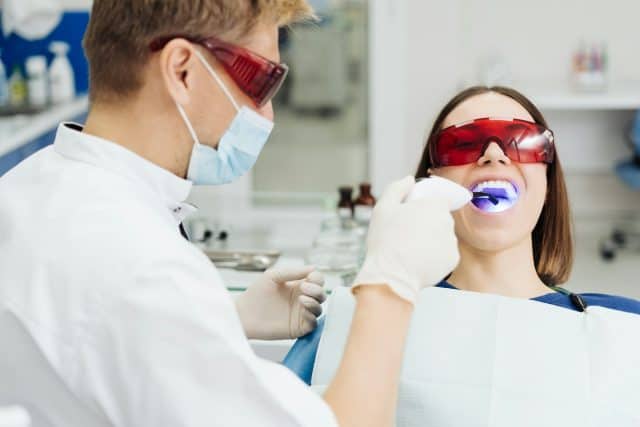
How Routine Dental Check-ups Help Protect Your Smile and Well-being
Many people think of a dental check-ups as just a fast check of the teeth themselves, but truth be told it is quite a bit more than that. Even when everything seems perfectly normal, regular visits nip small problems in the bud before they insidiously become big ones.
At a normal appointment, the dentist will check your teeth and gums and make sure there’s nothing starting to cause trouble. They might:
- Look for cavities or worn teeth.
- Check if your gums look healthy.
- Remove hard build-up around the teeth.
- Spot anything unusual inside the mouth.
- Give tips on cleaning your teeth properly at home.
- Notice things like teeth grinding or clenching.
The cleaning itself often leaves your mouth feeling much fresher, too. A lot of people notice their teeth feel smoother afterwards, especially in places that are hard to clean properly with a toothbrush alone.
Keeping up with regular appointments can also save a lot of stress later on. Problems like toothache, infections, or broken teeth often don’t happen overnight. In many cases, there were early signs that could have been picked up sooner.
And honestly, when your teeth feel clean and healthy, you don’t really think twice about smiling or talking — it just feels more natural and comfortable.
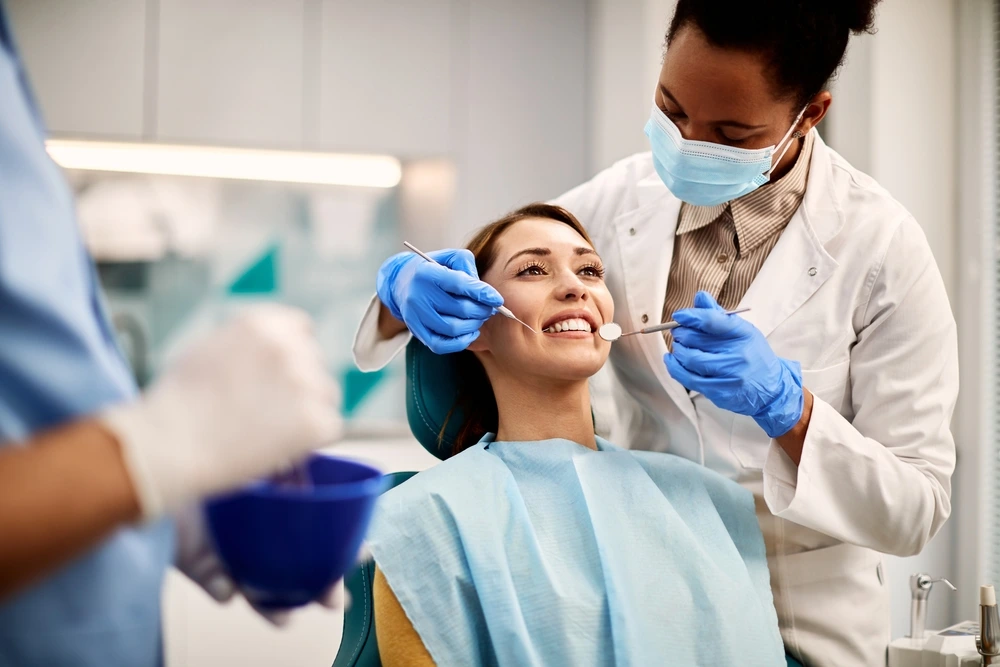
Healthy Teeth, Healthy Life: Benefits of Preventive Dental Care
Preventive dental care is about keeping your teeth and gums in good shape before problems start causing trouble. A quick check-up now can often save a lot of discomfort later.
Some of the key benefits include:
Early Detection of Problems
Small cavities or mild gum problems are easier to sort out when they are caught early, before they turn painful or more serious.
Lower Treatment Costs
Regular check-ups and cleanings usually cost far less than treatments needed for bigger dental issues later on. Everything You Need to Know About Laser Teeth Whitening: Benefits and Lasting Results
Fresher Breath and Cleaner Teeth
Professional cleaning removes obstinate plaque and build-up that brushing at home sometimes misses.
Better Gum Health
Healthy gums support your teeth and help lower the risk of gum disease or teeth becoming loose over time.
Improved Confidence
When your teeth feel clean and healthy, smiling and talking to people often feels a lot more natural.
Long-Term Oral Health
Looking after your teeth regularly gives you a better chance of keeping them healthy as you get older.
Most people would rather prevent a dental problem than deal with a toothache or unexpected treatment later on.
The Power of Routine Dental Check-ups for Long-Term Health and Confidence
Most people have skipped a dental check-up appointment at some point because nothing felt wrong. No pain, no sensitivity, no obvious problem — so it doesn’t seem urgent. But dental problems do not always show clear signs early on. A small issue can stay unnoticed for months before it suddenly becomes painful or difficult to ignore.
That is one of the main reasons regular check-ups matter. They give your dentist a chance to notice small changes before they turn into bigger problems. It is also a good opportunity to talk about anything you have noticed yourself, whether that is sensitive teeth, bleeding gums, or even just wanting advice on keeping your teeth cleaner.
Over time, regular dental check-ups can really make a difference:
- Help keep your teeth and gums in better shape over time.
- Reduce the chance of needing more serious treatment later on.
- It makes you feel more at ease when smiling or talking.
- Support your overall day-to-day health and comfort.
Good oral health is not only about having a nice smile. When your teeth and gums feel healthy, everyday things like eating, laughing, talking, and even drinking something cold tend to feel a lot more comfortable too.
FAQs
Q: How often should I go for a routine dental check-up?
Most people end up going twice a year, but it really depends on your teeth and gums. Some people hardly ever have problems, while others need a few extra visits to keep things on track.
Q: Can dental problems affect overall health?
Yes, they can. Your mouth is part of your overall health, so when things aren’t right there, it can sometimes affect other areas, too. That’s why dentists don’t only focus on teeth — they look at gum health as well.
Q: Why do I need a dental check-up if my teeth feel fine?
Because not every problem gives you a warning straight away. A small cavity or gum issue can sit there quietly for a while before you notice anything wrong.
Q: What happens when you go for a standard dental visit?
It’s usually a quick examination of your teeth and gums to check that everything is healthy and in good condition. If there’s plaque build-up, you might also have a cleaning to get rid of it.
Q: Are professional dental cleanings really necessary?
They do help more than most people think. Even with consistent brushing, it’s common to overlook certain spots—particularly along the gumline and between teeth—where plaque can gradually accumulate over time.
Q: Can routine dental visits help prevent tooth loss?
In a lot of cases, yes. Finding problems early gives you a much better chance of sorting them out before they become serious enough to damage the tooth.

