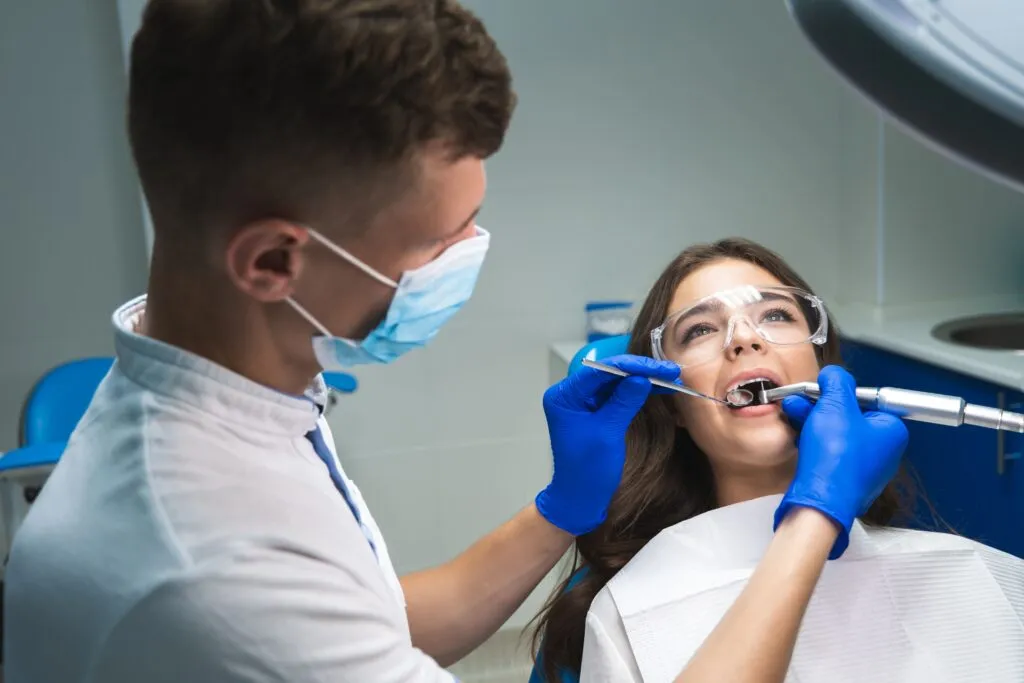
Introduction to Understanding Dental Anxiety Bracknell
Dental anxiety is a widespread concern that impacts around 36% of the population, with approximately 12% suffering from extreme dental fear. This pervasive issue can manifest through various symptoms, including a racing heartbeat, excessive sweating, and even panic attacks when merely thinking about a dental appointment.
Such dental anxiety can be so debilitating that it deters individuals from seeking necessary dental care, which can lead to severe oral health problems such as gum disease, tooth decay, and other complications that could have been prevented with timely treatment.
Individuals grappling with dental anxiety often find that their overall stress and anxiety levels are heightened, affecting their daily lives and interactions. For instance, someone who avoids dental visits may also shy away from social situations due to embarrassment about their dental health, creating a vicious cycle of anxiety and avoidance. The True Benefits of Teeth Whitening with Ultima White
The growing awareness of dental anxiety has led to more open discussions about mental health in dental care settings, encouraging professionals to adapt their practices to accommodate anxious patients better.
Causes of Dental Anxiety
Several underlying factors contribute to dental anxiety, with fear of pain and needles being the most prominent. Many patients recall past traumatic experiences during dental treatments that have instilled lasting worries. For example, a child who experienced discomfort during a dental procedure may carry that fear into adulthood, avoiding dental visits altogether. Additionally, feelings of helplessness and a lack of control during dental procedures can significantly exacerbate anxiety levels.
Media portrayals of dental work also shape perceptions of dentistry, often depicting exaggerated discomfort that can frighten potential patients. Anticipating pain or discomfort can trigger intense anxiety responses, leading individuals to dread their appointments. Moreover, personal beliefs and cultural factors can shape how individuals perceive dental care, influencing their level of anxiety. For instance, in some cultures, dental care is not prioritised, leading to a lack of understanding about its importance, which can heighten anxiety and fear. Choose Us At Ultima White
Impact of Dental Anxiety Bracknell on Oral Health
The repercussions of dental anxiety extend far beyond mere discomfort; they can have profound implications for an individual’s oral health. When anxiety leads to avoidance of dental care, it can result in severe conditions like gum disease, cavities, and other systemic health issues. For instance, a patient who avoids dental check-ups may find that minor problems escalate into more complex treatments, ultimately leading to more extensive procedures that could have been avoided with regular care.
Moreover, the psychological impact of poor oral health can significantly affect an individual’s self-esteem and quality of life. Patients suffering from dental anxiety might experience feelings of shame about their dental hygiene, leading to isolation and reluctance to engage in social interactions. This avoidance can perpetuate a cycle where poor oral health exacerbates anxiety and mental health issues, such as depression. Therefore, recognising and addressing dental anxiety is vital for breaking this cycle and promoting better oral and mental health.

FAQs — Dental Anxiety: Essential Strategies for Check-Ups
1. What is dental anxiety, and how common is it?
Answer: Dental anxiety refers to fear or stress associated with dental visits. It can range from mild nervousness to extreme fear that prevents people from seeking dental care. Many people experience symptoms like a racing heartbeat or panic just thinking about appointments.
2. What causes dental anxiety?
Answer: Dental anxiety can stem from past traumatic experiences, fear of pain or needles, feelings of helplessness, negative media portrayals of dental procedures, and cultural or personal beliefs about dentistry.
3. Why is it important to address dental anxiety?
Answer: If dental anxiety leads to avoidance of check-ups, minor problems can develop into more serious issues, such as periodontal disease or caries. Avoidance can also negatively impact confidence and overall well-being.
4. How can communicating with my dentist help reduce anxiety?
Answer: Openly discussing your fears allows the dentist to tailor your care. They may offer explanations of procedures, non-verbal signals for breaks, noise-reducing options, or other accommodations that give you more control during appointments.
5. What relaxation techniques work for managing dental anxiety?
Answer: Techniques such as deep breathing, progressive muscle relaxation, visualisation, mindfulness, and aromatherapy can help reduce anxiety before and during dental visits.
Communication with Dental Professionals Bracknell
Effective communication with dental professionals can significantly alleviate anxiety levels for patients. When individuals openly discuss their fears and concerns with their dentists, it allows for a more personalised approach to their care. For example, a patient who expresses anxiety about the sound of dental drills may benefit from noise-cancelling headphones or soothing background music during their appointment. Establishing a nonverbal signal, such as raising a hand for breaks during procedures, can also empower patients by providing them with a sense of control over their experience.
Moreover, clear explanations of procedures can demystify the dental experience, easing fears associated with the unknown. Dentists who take the time to explain what will happen during a procedure can help patients mentally prepare and feel more relaxed. Regular feedback during appointments can further enhance the patient experience by making individuals feel more involved and engaged, which is crucial for reducing anxiety levels. Building this rapport allows patients to approach future dental visits with greater confidence and less fear.
Relaxation Techniques for Managing Anxiety Bracknell
Incorporating relaxation techniques is an effective strategy for managing dental anxiety, enabling patients to approach their appointments with a calmer mindset. Techniques such as deep breathing and progressive muscle relaxation can help alleviate anxiety both before and during dental visits. For instance, a patient might practise deep-breathing exercises before entering the dental office, focusing on inhaling deeply and exhaling slowly to reduce anxiety. Guided imagery, in which patients visualise serene landscapes or happy memories, can also induce a relaxed state and significantly reduce anxiety.
Aromatherapy and sensory-adapted environments can further enhance relaxation during dental appointments. For example, the use of calming essential oils, such as lavender, can create a soothing atmosphere that reduces anxiety. Practising mindfulness techniques can enhance emotional regulation, allowing individuals to manage their anxiety more effectively. Keeping a routine that incorporates relaxation practices, such as yoga or meditation, can help individuals build resilience against anxiety over time, making their dental visits less daunting.
Distraction Strategies During Dental Visits Bracknell
Utilising distraction strategies during dental visits can be a highly effective way to manage anxiety. Listening to music or audiobooks can serve as a powerful distraction, allowing patients to focus on something enjoyable rather than their surroundings. For example, a patient might choose their favourite playlist to listen to during their procedure, which can significantly reduce perceived discomfort. Focusing on visuals in the dental office, such as artwork or calming images, can also help divert attention from anxiety.
Bringing a supportive friend or family member can provide emotional reassurance and comfort throughout the appointment. Engaging in conversation with dental staff can foster a friendly atmosphere, which may help ease tension and anxiety. Some dental practices now offer innovative approaches, such as the use of virtual reality headsets or video games during procedures, allowing patients to engage in a more enjoyable experience. Creating a personal distraction plan in advance can prepare patients for dental visits, enabling them to approach their appointments with greater confidence and less fear. How an Improved Diet Can Enhance Your Teeth Whitening Results
Sedation Dentistry Options Bracknell
For individuals who experience severe dental anxiety, sedation dentistry offers various options to help manage their fears effectively. Nitrous oxide, commonly known as “laughing gas,” and oral sedation are frequently used methods that allow patients to relax while remaining awake. Discussing sedation options with the dentist can provide reassurance, thereby helping patients feel more comfortable with their treatment. For example, a patient with a high level of dental fear might find that knowing they will receive nitrous oxide during a procedure eases their anxiety significantly.
Conscious sedation allows patients to stay aware of their surroundings while experiencing an anxiety reduction, making it an appealing option for many. Intravenous (IV) sedation is another choice for those with intense anxiety, but it’s crucial to review the associated risks and benefits with a dental professional. Patients should also be informed of any pre-treatment requirements for sedation methods to ensure their safety and comfort, enabling them to make informed decisions about their care.
Cognitive and Behavioural Strategies Bracknell
Various cognitive and behavioural strategies can effectively manage dental anxiety and help patients cope with their fears. Cognitive behavioural therapy (CBT) is recognised as the most effective psychological treatment for dental anxiety, focusing on identifying triggers and addressing them with the help of a therapist. For example, a therapist may guide a patient through techniques to reshape their thoughts about dental visits, helping them to develop a more positive outlook. Techniques such as positive self-talk and affirmations can counter negative thoughts about dental care, promoting a more positive mindset.
Behavioural techniques, including gradual exposure to dental settings, can help desensitise patients, making future visits feel less intimidating. For instance, a patient might start with a simple consultation before progressing to more involved procedures. Journaling about dental experiences can also assist individuals in processing their feelings, helping them to articulate their fears and reduce anxiety over time. Joining support groups for those with dental anxiety can provide shared experiences and coping strategies, fostering a sense of community and understanding that can be immensely beneficial for those struggling with dental fear.
Choosing the Right Dentist
Selecting the right dentist is essential for effectively managing dental anxiety. Finding a dentist experienced in treating anxious patients can significantly improve the overall experience. A patient-centred approach and calming office environment can help ease fears and create a more comfortable atmosphere. For example, a dentist who uses soothing decorations and offers a relaxing waiting area can set a positive tone for the appointment, helping to alleviate anxiety from the outset.
Establishing a routine with the same dentist for regular check-ups can build trust and reduce anxiety over time. This consistency allows patients to develop a rapport with their dentist, making them feel more at ease during visits. Reading reviews and testimonials can help patients select a compassionate dentist who understands their unique needs and concerns. Additionally, visiting the dental office beforehand allows patients to familiarise themselves with the environment and staff, further easing anxiety. Some dental practices even offer specific programmes or training focused on treating anxiety, making it essential to seek out such options.
Importance of Maintaining Regular Dental Check-ups
Despite the challenges posed by dental anxiety, maintaining regular check-ups is vital for overall oral health. Consistent dental visits enable early detection of potential issues, preventing more complicated treatments later. For example, a patient who attends regular check-ups is more likely to catch cavities early, resulting in simpler and less invasive treatments. Additionally, developing a routine of regular appointments can help build confidence and manage anxiety over time.
Educating patients about upcoming procedures can reduce fear of the unknown, making them feel more prepared for their visits. Regular check-ups contribute to improved overall health and may help reduce anxiety as patients become more accustomed to the dental environment. Over time, regular dental appointments are often associated with reduced anxiety about dental care, making them an essential component of managing dental fear and improving health outcomes.

Psychological Interventions for Dental Anxiety Bracknell
Various psychological interventions can effectively manage dental anxiety, helping individuals cope with their fears and enhancing their overall experience. Techniques such as Jacobsen’s progressive muscular relaxation and mindfulness-based stress reduction can alleviate stress and promote relaxation during dental visits. A patient might practise these techniques before entering the dental office, leading to a more relaxed state of mind. Customised psychotherapeutic interventions tailored to individual needs can provide additional support, allowing patients to address their specific anxieties.
For those with severe dental phobias, professional counselling may be necessary to develop coping strategies and address underlying issues that contribute to their anxiety. Combining psychological therapy with dental visits has been shown to lead to better outcomes for anxious patients, highlighting the importance of a holistic approach to care. For instance, a patient who continues therapy while maintaining regular dental visits may find that their anxiety decreases over time, allowing them to feel more comfortable during appointments.
Role of Dental Office Environment
The environment of a dental office plays a significant role in patient comfort and anxiety levels. A calming atmosphere, characterised by soothing music, gentle lighting, and comfortable seating, can help reduce anxiety and create a more pleasant experience for patients. For example, dental practices that incorporate patient-friendly decor and relaxing scents in the waiting area can significantly enhance the overall experience. Positive interactions with dental staff contribute to a more comfortable experience, fostering trust and rapport that can alleviate anxiety.
Personalised touches, such as warm blankets, stress balls, or comforting beverages, can enhance comfort levels during appointments. Clear signage and informative materials in the office can help patients feel more at ease as they navigate the dental environment. An inviting waiting area, equipped with magazines or entertainment options, can set a positive tone before the appointment begins, making it easier for patients to transition into their dental experiences without overwhelming anxiety.
Support Systems and Resources Bracknell
Seeking support from various sources, including friends, family, and mental health professionals, can be incredibly beneficial for those struggling with dental anxiety. Talking openly about fears with loved ones can provide comfort and understanding, helping to alleviate some of the burdens associated with dental anxiety. Resources such as the Better Health Channel offer guidance on managing anxiety and connecting patients with supportive dental professionals. Keeping Your Smile Bright After Teeth Whitening
Professional organisations can provide referrals to dentists experienced in treating anxious patients, ensuring individuals receive the care they need. Online forums and communities can also offer peer support and shared coping strategies, helping patients feel less isolated in their experiences. Educational materials about dental anxiety empower patients to understand and manage their fears effectively, equipping them with the tools needed to overcome anxiety and foster a healthier relationship with dental care.
Positive Reinforcement and Reward Systems
Implementing a reward system can be an effective strategy for reinforcing positive experiences related to dental visits. By rewarding themselves after appointments, patients can encourage a more favourable association with dental care. For example, someone may treat themselves to a nice meal or a small gift following a successful visit, creating a positive reinforcement loop that encourages continued attendance. Setting small, achievable goals helps build confidence and reduce fear over time, making the prospect of dental visits feel less daunting.
Keeping a journal to track progress and rewards can enhance motivation, allowing individuals to reflect on their achievements and celebrate milestones. For instance, a patient who completes a series of appointments without significant anxiety can look back on their journal and note their growth, reinforcing positive feelings about future visits. Celebrating milestones, such as completing a series of appointments or facing a particularly feared procedure, fosters a positive mindset and reinforces the importance of maintaining good oral health. Involving family or friends in the reward process can provide additional encouragement and support, further enhancing the overall experience of dental visits.
Conclusion: Embracing a Positive Dental Experience Bracknell
Dental anxiety is a common experience, but it is manageable with the right strategies and support. Overcoming this fear is essential for maintaining good oral health and overall well-being. Fortunately, numerous resources and professionals are available to help individuals navigate their dental anxiety. Creating a supportive environment for dental care can significantly improve experiences, making visits less intimidating. Encouraging open dialogue about dental fear can help normalise experiences and reduce stigma surrounding dental anxiety, empowering patients to seek the care they need for optimal oral health.