Brightening Your Smile: Navigating the Safety and Side Effects of Teeth Whitening Treatments

Table of Contents
Explore the safety and potential side effects of teeth whitening treatments, comparing professional and at-home options for a brighter smile.

Overview of Teeth Whitening Treatments Bracknell

Teeth whitening is a widely sought-after cosmetic procedure intended to remove stains and enhance the overall appearance of the smile. This procedure has gained immense popularity, particularly among individuals preparing for special events such as weddings, job interviews, or public appearances. Two primary types of teeth-whitening treatments are available: in-office procedures performed by dental professionals and at-home options that individuals can use independently. For instance, many patients opt for in-office treatments due to their speed and effectiveness, often achieving noticeable results in just one visit.

In-office whitening treatments typically utilise more potent bleaching agents, allowing for immediate and significant improvements in tooth brightness. Conversely, at-home whitening products, including strips, gels, and toothpastes, are widely available and relatively cost-effective.

These products can be particularly appealing for those who prefer a gradual approach or who may have scheduling constraints. However, the effectiveness of these at-home options can vary significantly depending on the specific type of tooth discolouration. For example, extrinsic stains caused by food and beverages may respond well to certain over-the-counter products. In contrast, intrinsic stains resulting from ageing or medication may require more intensive professional treatment. Understanding the available options is vital for individuals considering teeth whitening as a means to boost their self-esteem and improve their overall appearance. The Bright Debate: Laser Teeth Whitening vs. Traditional Methods – Pain, Duration, and Effectiveness Explored

Common Teeth Whitening Methods Bracknell

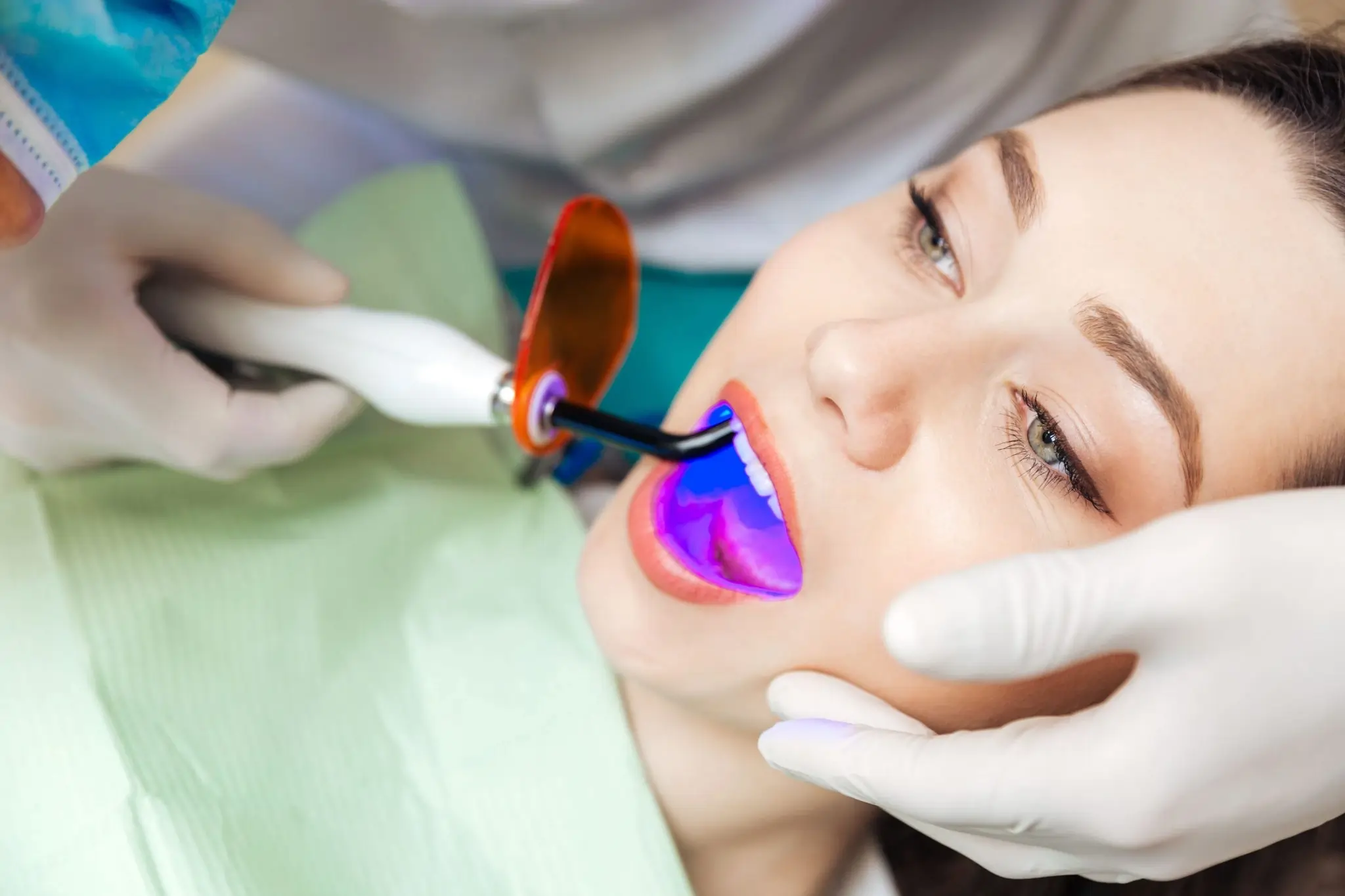
The primary methods of teeth whitening can be categorised into two main groups: professional in-office treatments and at-home whitening kits. In-office treatments generally employ higher concentrations of hydrogen peroxide, which allows for faster and longer-lasting results compared to at-home alternatives. For example, a typical professional whitening treatment session can last 30 to 90 minutes, during which dental professionals apply the bleaching agent directly to the teeth, often using protective measures to safeguard the gums and surrounding tissues. This level of care and expertise can significantly reduce discomfort and optimise results. Laser teeth whitening in one hour

At-home whitening treatments, on the other hand, may include custom trays made by dentists or commercially available products with lower concentrations of active ingredients. These at-home kits often require more time and repeated applications over several days or weeks to achieve satisfactory results. For instance, an individual using whitening strips may need to apply them consistently for two weeks to observe a noticeable difference in tooth colour. Some products also incorporate LED technology, marketed as enhancing whitening efficacy, although research indicates that results can vary widely among users. Understanding these differences can help individuals select the method that best aligns with their lifestyle and dental needs.

Safety and Side Effects of Teeth Whitening Treatments Bracknell

Frequently Asked Questions: Side Effects of Teeth Whitening Treatments

1. What are the most common side effects of teeth whitening?

Answer: The most common side effects include temporary tooth sensitivity, gum irritation, and mild discomfort during or shortly after treatment. These usually resolve within a few days.

2. Why does teeth whitening cause sensitivity?

Answer: Whitening agents penetrate the enamel to break down stains, which can temporarily irritate the nerves inside teeth. Sensitivity is usually mild and short-lived.

3. Can gums get damaged from whitening treatments?

Answer: Yes, improper application of whitening products, especially at-home kits, can irritate or burn gums. Professional treatments use protective barriers to minimise this risk.

4. Are there long-term risks to teeth whitening?

Answer: When performed correctly, professional and at-home whitening are generally safe. Overuse or misuse of potent bleaching agents can weaken enamel or worsen sensitivity over time.

5. How can I reduce the risk of side effects?

Answer:

  • Follow product instructions carefully.
  • Avoid overusing whitening treatments.
  • Consider professional supervision for stronger treatments.
  • Use desensitising toothpaste if prone to sensitivity.

Potential Side Effects of Teeth Whitening Bracknell

One of the most commonly reported side effects of teeth whitening treatments is tooth sensitivity, which can occur particularly in individuals with weakened enamel or when products are not applied correctly. This sensitivity can manifest as discomfort when consuming hot or cold foods and beverages, and can range from mild to quite severe. For example, someone who has undergone whitening may experience tooth sensitivity to ice-cold drinks for days following treatment. Additionally, gum irritation is a potential risk associated with whitening treatments, particularly for those using at-home kits that may not effectively isolate the gums during application.

Notably, enamel damage can also be a concern, potentially leading to increased sensitivity and the development of white spots on the teeth. This is particularly pertinent for individuals who use high-concentration products without professional guidance. Consulting a dentist before beginning any whitening regimen is essential to ensure that candidates are suitable for treatment and to mitigate potential side effects. Most adverse effects are temporary and can resolve shortly after treatment if patients adhere to recommended aftercare guidelines. It is crucial to monitor any unusual reactions and consult a dental professional if discomfort persists.

Professional vs. At-home Whitening Bracknell

When comparing professional whitening treatments to at-home options, it becomes clear that professional procedures typically provide a safer, more effective, and longer-lasting solution. Dental professionals can administer more potent formulations and tailor treatments to individual needs, thereby significantly reducing the risk of sensitivity and gum irritation. For instance, a dental office may offer a custom-fitted tray that conforms perfectly to the patient’s teeth, ensuring even application of the whitening agent while protecting the gums. This bespoke approach can yield optimal results in a shorter timeframe.

In contrast, at-home whitening kits often contain lower concentrations of active ingredients, resulting in longer treatment times and potentially less effective outcomes. Many individuals using these kits may not achieve the desired brightness and may become frustrated with the process, leading them to overuse the products in hopes of faster results.

For example, someone might try to accelerate results by using a strip daily instead of following the recommended schedule, which could increase the likelihood of adverse effects. Moreover, without professional guidance, users may inadvertently misuse these products, resulting in suboptimal outcomes or increased adverse effects. In-office procedures also typically include post-care advice and follow-up sessions, which can help maintain the achieved results over time. This comprehensive approach underscores the value of professional supervision in achieving safe and effective whitening outcomes. Laser Teeth Whitening: Does It Hurt and How Long Will Your Smile Shine?

Safety Tips for Teeth Whitening Bracknell

Before embarking on any teeth-whitening treatment, it is strongly recommended that individuals consult a dentist, particularly if they have existing dental work or active cavities. A dental professional can evaluate one’s oral health and recommend the most appropriate whitening options. Strict adherence to product instructions is crucial to prevent overuse, which can harm the teeth. For example, individuals should be cautious not to exceed the recommended duration for at-home whitening strips, as prolonged exposure can lead to enamel erosion and increased sensitivity.

Choosing whitening products that bear the American Dental Association (ADA) Seal of Acceptance assures their safety and effectiveness. This certification indicates that the products have undergone rigorous testing and meet high standards for consumer safety.

Maintaining good oral hygiene before and after treatment can enhance outcomes and mitigate adverse effects. It is also beneficial to limit the consumption of staining foods and beverages during the whitening process, as this will help maximise the treatment’s effectiveness. For instance, refraining from coffee and red wine during the whitening phase may yield better, longer-lasting results. Following these safety tips can lead to a more pleasant whitening experience and improved outcomes for those seeking to brighten their smiles.

Teeth Whitening and Oral Health Bracknell

Teeth-whitening treatments can positively affect oral health by reducing plaque accumulation and harmful bacteria in the mouth. Research suggests that specific whitening agents may improve overall oral hygiene by increasing individuals’ awareness of their dental habits following treatment. For example, many patients report feeling motivated to maintain their brighter smiles by improving their brushing and flossing routines. However, it is essential to consider the potential risks of tooth erosion and reactions with existing dental restorations, such as crowns or fillings, which may be affected by bleaching agents.

Most concerns regarding long-term effects on enamel and gum health stem from laboratory studies rather than real-life applications. Studies have shown that professional treatments, when performed under appropriate guidance, typically do not cause significant enamel erosion. Regular dental check-ups are vital for monitoring oral health, especially after undergoing whitening treatments. These visits allow dental professionals to assess the condition of the teeth and gums, ensuring any potential issues are addressed promptly. Additionally, maintaining a balanced diet and adequate hydration can support oral health during the whitening process, promoting not only a brighter smile but also better dental health.

Teeth Whitening for Sensitive Teeth

Individuals with sensitive teeth may experience fluctuating comfort during and after whitening treatments, ranging from mild discomfort to severe pain. Managing these symptoms is crucial, and using specially formulated sensitivity toothpaste after treatment can be particularly beneficial. These products are designed to help desensitise the teeth and provide relief after whitening procedures. Professional whitening methods are generally designed to minimise sensitivity risks by incorporating pre-treatment recommendations and controlled application techniques.

For those opting for at-home whitening, custom dental trays can improve comfort and reduce sensitivity by ensuring a proper fit and limiting exposure of the whitening agent to the gums. Many at-home kits are now available that specifically cater to individuals with sensitive teeth by containing lower concentrations of bleaching agents. This thoughtful consideration can help individuals achieve their desired results without compromising comfort. It is also advisable to take breaks between whitening sessions if sensitivity develops, allowing teeth to recover and reducing discomfort. By following these guidelines, individuals with sensitive teeth can safely navigate the whitening process.

Ingredients in Teeth Whitening Products

The most commonly used active ingredients in teeth whitening products are hydrogen peroxide and carbamide peroxide, both of which effectively break down chromogens to lighten stains. Hydrogen peroxide has demonstrated the highest whitening efficacy, significantly outperforming other agents such as sodium bicarbonate and PAP (phthalimidoperoxycaproic acid). These ingredients work by penetrating the enamel and breaking down the discolouration, leading to a brighter smile. For example, products containing hydrogen peroxide may produce a noticeable improvement in tooth shade after a single application, whereas those with lower concentrations may require multiple treatments.

While sodium bicarbonate can also contribute to tooth whitening, its efficacy is generally less pronounced than that of hydrogen peroxide. Additionally, some natural whitening agents, such as activated charcoal, have gained popularity in recent years. However, they lack substantial scientific evidence supporting their effectiveness and may be abrasive to the enamel, potentially causing damage over time. Consumers need to understand the ingredients in whitening products to make informed choices and ensure they are using safe and effective treatments for their dental needs. Consistently reading labels and consulting a dentist can help ensure that selected products align with individual dental health goals.

Truth About Home Remedies Bracknell for Whiter Teeth

Teeth Whitening Myths and Misconceptions

A plethora of myths and misconceptions surrounding teeth whitening can lead to misunderstandings about the treatment process and its effectiveness. For instance, many individuals believe that homemade methods, such as using activated charcoal or baking soda, are effective alternatives; however, these methods often lack scientific support and can be harmful to tooth enamel. Additionally, while whitening treatments can effectively address minor stains, they may not be suitable for severe intrinsic stains, necessitating realistic expectations from users.

A widespread misconception is that teeth-whitening results are permanent; in fact, ongoing maintenance is required to sustain the brightness achieved through treatment. This includes regular touch-ups and attention to dietary habits that may lead to staining.

Moreover, not all whitening products are equally safe; professional consultations can clarify which options are safest and most effective. For example, a dental professional can help identify the most appropriate whitening strategy based on the individual’s unique dental health needs and aesthetic goals. Lastly, some individuals mistakenly believe that whitening can replace regular dental hygiene, which is essential for maintaining oral health. It’s important to emphasise that while whitening can enhance appearance, it does not substitute for the foundational practices of good oral hygiene. 12 Reasons To Choose The Ultimate Whitening Solution

Aftercare Post-Whitening

Post-treatment care is critical for maintaining the results of teeth whitening. It is advisable to avoid staining foods and beverages for at least 48 hours following the procedure to allow the teeth to stabilise and prevent potential discolouration. Common culprits such as coffee, tea, red wine, and dark sauces should be limited during this period to ensure that the whitening effects last. Regular dental check-ups are also essential for maintaining the brightness of your smile, as they enable the dentist to monitor the condition of your teeth and overall dental health.

Using a fluoride mouthwash can be a helpful step in remineralising the teeth after whitening treatments, further protecting against sensitivity and enhancing overall oral health. It is also recommended that hot or cold beverages be avoided immediately after treatment to prevent discomfort and sensitivity. Staying hydrated by drinking plenty of water can aid in flushing out residues and supporting overall oral health during the post-whitening phase. By adhering to these aftercare recommendations, individuals can maximise the benefits of their whitening treatments and enjoy a radiant smile for longer.

Consulting a Dental Professional

Before embarking on any teeth-whitening regimen, consulting a dental professional is essential. A dentist can help identify the underlying causes of discolouration and recommend the most suitable whitening products or procedures. For example, if discolouration is due to intrinsic factors such as medication or trauma, a dentist might suggest alternative treatments rather than standard whitening procedures. Most patients report minimal or no side effects when treated by a professional, underscoring the advantages of professional care over at-home kits.

Dentists can provide customised treatment plans tailored to individual dental health and desired outcomes, ensuring safety and effectiveness throughout the process. They can also address any concerns or questions regarding the whitening process, helping patients feel more confident in their decisions. For instance, a dentist can explain the different types of whitening methods available, their associated risks, and how best to care for teeth before and after treatment. Ultimately, professional guidance not only enhances the likelihood of achieving a bright smile but also promotes overall oral health and well-being. The Brightest Smile: Evaluating Laser Teeth Whitening Against Traditional Methods

The Impact of Teeth Whitening Bracknell on Gum Health

Gum health can be significantly affected by teeth-whitening treatments. Gum irritation may occur, particularly with at-home kits that do not utilise custom-fitted trays. If the bleaching agent comes into contact with the gums, it can cause inflammation and discomfort, which may detract from the whitening experience. Professional whitening treatments ensure that gums are properly isolated to minimise the risk of irritation during the process. Techniques such as applying a dental dam can effectively protect the gums, thereby providing a safer treatment environment.

Some whitening products may cause temporary discolouration of the gums; however, this typically resolves shortly after treatment. Maintaining good oral hygiene practices during and after treatment is crucial for promoting gum health and overall oral wellness.

Regular brushing and flossing can help remove any residual whitening agent and prevent gum irritation. Individuals with existing periodontal concerns should consult a dental professional to determine the most appropriate whitening method that aligns with their dental health needs. This proactive approach ensures that patients can enjoy the benefits of a brighter smile while safeguarding their gum health.

Book An Appointment Today To Get Teeth Whitening Treatment

Related Posts