Overview of Laser Teeth Whitening Bracknell
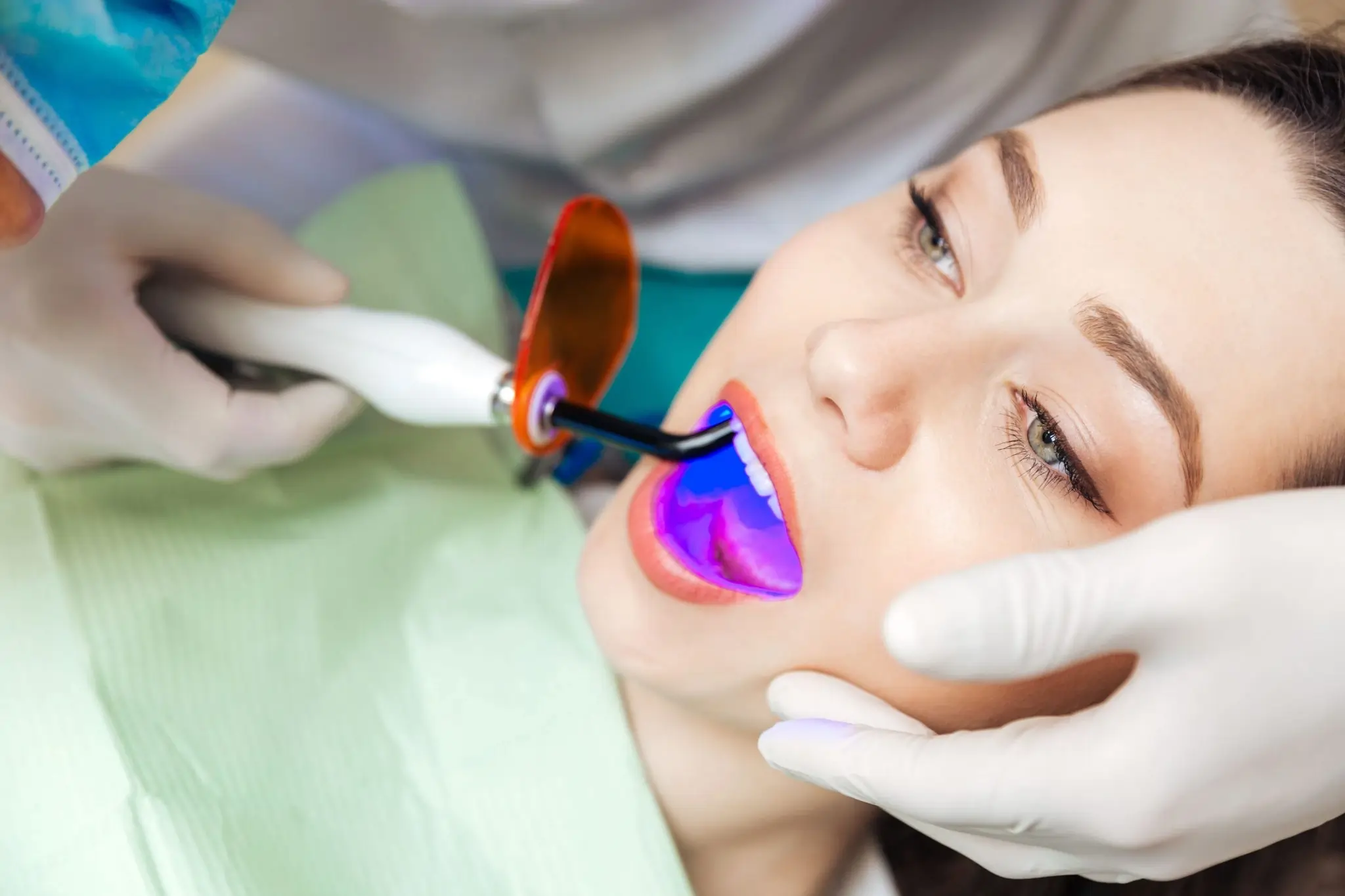
Laser teeth whitening is an increasingly popular cosmetic dental procedure that enhances tooth brightness, often resulting in a more confident smile. This treatment involves applying a hydrogen peroxide gel activated by a high-intensity laser, which penetrates deeper layers of enamel to remove stains and discolouration effectively. The procedure is typically performed in a dentist’s office and lasts 30 to 60 minutes, depending on the individual’s treatment plan. For instance, a patient can expect to see dramatic results almost immediately after the session, contributing to high levels of satisfaction among those seeking a brighter smile.
The technology used in laser whitening enables deeper penetration of the whitening agent, making it more effective than many traditional whitening methods. For example, a patient who has struggled with significant discolouration from years of coffee consumption may leave the dental clinic with noticeably whiter, brighter teeth. Many dental clinics also offer an initial consultation to assess the patient’s dental health and suitability for treatment, ensuring the procedure meets their expectations and needs. This personalised approach helps patients feel more at ease and informed about the process. Brighten and Sustain: The Essential Guide to Teeth Whitening Aftercare
How Long Do Results Last Bracknell?
The results of laser teeth whitening can last significantly longer than those achieved with over-the-counter methods, with effects typically lasting from a few months to three years. However, the durability of these results depends on several lifestyle factors, including oral hygiene, dietary choices, and personal habits. For example, individuals who adhere to a strict oral care routine and limit their consumption of staining substances, such as red wine or tobacco, may find their results last for up to 5 years. This highlights the importance of considering personal habits when assessing the potential duration of whitening results.
Moreover, the teeth’s initial colour before treatment plays a pivotal role in determining how long the whitening effect will last. Patients who start with darker enamel may notice the whitening effect diminishes more quickly than in those with naturally lighter teeth. This necessitates regular touch-ups and maintenance visits for those with significant discolouration, as they may require more frequent treatments to maintain their desired brightness. Consulting a dental professional can help set realistic expectations about the potential longevity of results, given individual circumstances. Laser teeth whitening in one hour

Factors Affecting Whitening Longevity
Several factors influence how long the results of laser teeth whitening endure, with dietary habits being among the most significant. For instance, consuming staining substances such as coffee, tea, and red wine can quickly diminish the whitening effects. A patient who consumes these beverages after treatment may notice their teeth lose their brightness within weeks, underscoring the importance of mindful consumption. Smoking is another critical factor that can contribute to faster discolouration, as the nicotine and tar from cigarettes can stain teeth and counteract the benefits of whitening treatments.
Genetics also affects how long whitening results last, as some individuals have naturally more porous enamel, making their teeth more susceptible to staining. Additionally, certain medical conditions and medications can affect tooth colour; for example, patients taking tetracycline may be more prone to discolouration, which can reduce the effectiveness of whitening treatments. Maintaining good oral hygiene is essential to prolong results; neglecting regular brushing and flossing can accelerate the return of discolouration after treatment. Therefore, understanding and managing these factors is crucial for everyone looking to maximise the longevity of their whitening results.
Comparison with Other Whitening Methods Bracknell
When comparing laser teeth whitening to other whitening methods, it becomes evident that in-office systems generally provide faster results. While at-home whitening systems can be effective, they often require more prolonged use to achieve comparable results. For example, a typical at-home treatment may involve using a lower concentration of hydrogen peroxide for several hours over multiple days, while a single session of laser whitening can deliver more immediate results. A patient opting for an at-home system may need to commit to several weeks of daily applications to achieve the same brightness as a single in-office visit.
The chemical composition of the whitening agents also differs significantly between in-office and at-home treatments. In-office systems often employ higher concentrations of hydrogen peroxide, which allows for quicker and more noticeable results. This can be particularly beneficial for individuals who are preparing for significant events, such as weddings or job interviews, where a bright smile can enhance confidence. However, some patients may prefer the convenience of at-home treatments despite the longer time commitment required. Ultimately, the choice between these methods often comes down to personal preference, desired outcomes, and the time available for treatment. Unlocking a Dazzling Smile: The Science and Speed of Laser Teeth Whitening
Maintenance and Follow-Up Care
To optimise and maintain the results of laser teeth whitening, diligent oral hygiene is essential. This includes regular brushing with fluoride toothpaste, daily flossing, and routine dental check-ups. For example, patients who commit to a thorough oral care routine and schedule professional cleanings every six months are likely to see longer-lasting whitening results. Additionally, it is advisable to avoid foods and drinks that can stain teeth, such as tea, coffee, and dark-coloured sauces, to maximise tooth brightness.
In some cases, dental professionals may recommend touch-up treatments every six months to a year to maintain the desired level of whiteness. This maintenance can be particularly beneficial for individuals prone to staining due to lifestyle or genetic factors. Using whitening toothpaste and mouthwash can further prolong the effects of laser whitening, providing an extra layer of protection against discolouration. By prioritising good oral hygiene and adhering to follow-up care recommendations, patients can maintain their bright smiles for longer.
Specific Benefits of Ultimawhite
Ultimawhite is a noteworthy option in the laser teeth-whitening space, recognised for delivering fast, noticeable results with minimal discomfort. This non-invasive procedure is designed to serve a wide range of patients, typically suitable for those aged 16 and older, except for specific health conditions that may contraindicate the treatment. Patients appreciate the quick turnaround, which often allows them to see significant improvements in their smile in a single session, making it an attractive choice for those looking to enhance their appearance efficiently.
Moreover, Ultimawhite has been praised for its ability to tackle deep stains that other methods may not effectively remove. For example, individuals who have struggled with discolouration from excessive coffee consumption or smoking may find that Ultimawhite provides the thorough cleaning they need to restore their teeth’s natural brightness. The treatment is designed to minimise discomfort during the procedure, enhancing the overall patient experience and satisfaction with their results. Patient testimonials often highlight the immediate results and the positive impact on their confidence.
Frequently Asked Questions: How Long Does Laser Teeth Whitening Last?
1. How long do laser teeth whitening results typically last?
Answer: Results usually last 6 to 12 months, depending on your oral hygiene, diet, and lifestyle habits. Some people may enjoy longer-lasting whiteness with proper maintenance.
2. What factors affect the longevity of laser whitening results?
Answer: Factors include:
- Consumption of staining foods and drinks (coffee, tea, red wine)
- Smoking or tobacco use
- Oral hygiene habits
- Natural ageing of teeth
3. Does laser whitening remove deep stains?
Answer: Yes — laser whitening effectively removes deep-set stains and discolouration, resulting in longer-lasting results than some at-home methods.
4. How can I maintain my whitened teeth after laser treatment?
Answer:
Practice good oral hygiene (brush twice daily, floss)
- Avoid or limit staining foods and drinks
- Use whitening toothpaste for maintenance
- Schedule regular dental cleanings
5. Can the results of laser whitening be permanent?
Answer: No, teeth naturally discolour over time due to ageing and lifestyle factors. Laser whitening provides long-lasting results, but occasional touch-ups may be needed.
Potential Side Effects and Considerations Bracknell
While laser teeth whitening is generally safe, it can cause side effects, including increased tooth sensitivity and gum irritation. Patients should be informed of these options before undergoing treatment. For instance, some individuals may experience heightened sensitivity to hot or cold temperatures for a short period following the procedure. It is crucial for those considering treatment to consult with a certified dentist, as it may not be suitable for individuals with oral injuries, ongoing orthodontic treatment, or weakened enamel.
In some cases, patients may notice temporary gum discolouration immediately after treatment, which usually resolves quickly. Discussing any pre-existing dental conditions or concerns with the dentist before treatment can help mitigate risks and ensure a safe experience for the patient. Understanding these side effects can help individuals make informed decisions about whether laser whitening is right for them. Additionally, professional supervision during the procedure is essential to prevent gum damage and ensure the treatment is performed safely and effectively.
Cost and Accessibility
The cost of laser teeth whitening can vary widely, typically ranging from £80 to £360 per session, depending on the clinic and the complexity of the case. Total costs can add up, ranging from £320 to £1440 across multiple sessions, making it essential for patients to budget accordingly. Many dental practices offer flexible payment plans or financing options, making this cosmetic procedure more accessible to a broader range of individuals. For example, a patient seeking extensive whitening may find that financing options allow them to receive the treatment without significant financial strain.
Note that many insurance plans offer limited coverage for teeth-whitening procedures, as they are often classified as cosmetic treatments. Patients should be prepared for out-of-pocket expenses when considering laser whitening. This financial aspect may influence a patient’s decision to proceed with treatment or explore alternatives, such as at-home whitening kits, which tend to be more cost-effective but may require longer treatment times to achieve results.
Suitability and Recommendations Bracknell
Laser teeth whitening is particularly recommended for individuals seeking fast results, provided they maintain good oral hygiene. However, it is not suitable for everyone. Individuals with specific health conditions or those undergoing certain dental treatments should carefully consider their options before proceeding. For example, pregnant or breastfeeding women are advised to consult with their dentist to ensure that whitening treatments are safe for them and their baby.
Patients with severe tooth discolouration may benefit from a thorough consultation with a dental professional, who can recommend the most suitable treatment plan based on their unique needs and goals. Those with extensive staining may find that a combination of treatments, including laser whitening and follow-up at-home care, yields the best results. Ultimately, a personalised approach is key to achieving the desired outcome while ensuring the safety and health of the patient’s teeth.
Role of Diet and Lifestyle in Whitening Longevity Bracknell
Diet and lifestyle choices significantly impact how long the results of laser teeth whitening last. Regular consumption of staining foods, such as berries, sauces, and acidic beverages, can accelerate discolouration, undermining the effects of whitening. For instance, an individual who enjoys daily cups of coffee and frequent red wine may find that their teeth begin to lose their brightness more quickly than someone who limits these items. Patients should be mindful of their dietary choices after treatment to maintain the desired whiteness.
Incorporating positive lifestyle habits, such as attending regular dental visits and using whitening toothpaste, can also support the longevity of the whitening results. Reducing intake of acidic foods and beverages can help preserve tooth whiteness, as these substances can erode enamel and increase susceptibility to staining. Staying hydrated with water after consuming staining foods can help mitigate their impact on tooth colour, and chewing sugar-free gum can stimulate saliva production, which helps clean teeth and reduce staining. By adopting a proactive approach to diet and lifestyle, individuals can significantly enhance the durability of their whitening results. Best Way To Achieve Whiter Teeth!

Alternatives to Laser Teeth Whitening Bracknell
For those seeking alternatives to laser teeth whitening, several options are available that may suit different budgets and preferences. Over-the-counter whitening strips and gels are a more economical option, though they often yield slower results than professional treatments. A patient using these at-home products may need to commit to a longer duration of use, frequently requiring daily applications over several weeks to achieve noticeable results.
Professional whitening trays used at home offer a middle ground, balancing cost and effectiveness. These trays are custom-fitted by a dentist, allowing for a more personalised treatment experience. Natural remedies, while less effective, can also be considered as adjunct treatments to maintain results. Some individuals may experiment with baking soda or activated charcoal, although these methods can yield inconsistent results and may not be suitable for everyone. Consulting a dentist about alternative methods can help individuals choose the option best tailored to their unique needs and circumstances.
Importance of Professional Supervision
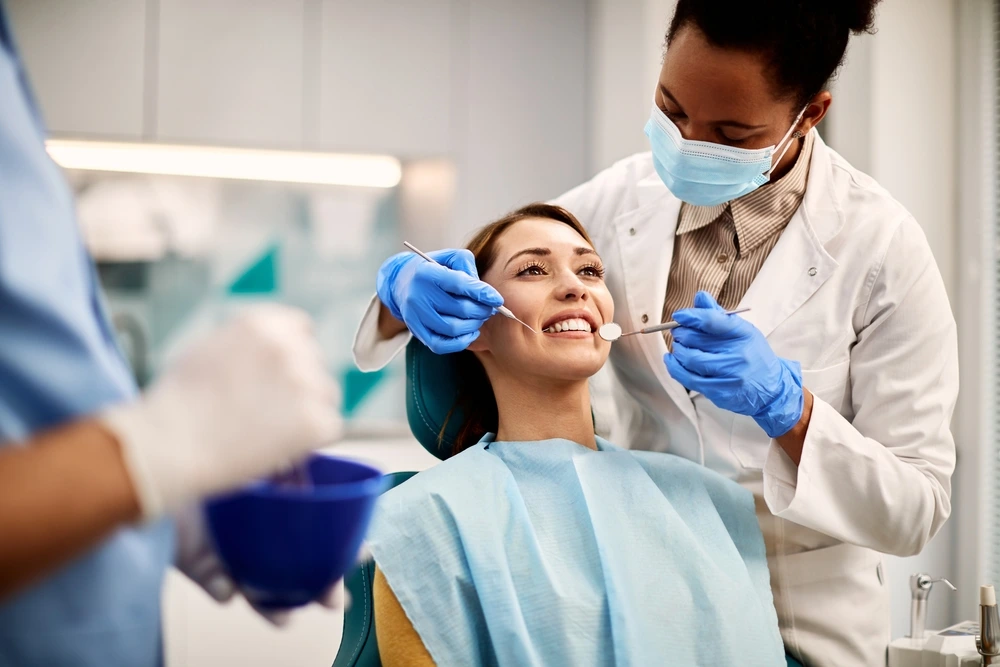
The necessity of professional supervision during laser whitening treatments cannot be overstated, as it ensures both safety and effectiveness. Dentists are trained to tailor the treatment to individual needs, maximising the benefits while minimising potential side effects. For instance, a dentist can assess a patient’s enamel condition and overall dental health to determine the appropriate whitening agent concentration for the procedure. This careful evaluation helps to avoid complications such as gum damage or excessive tooth sensitivity. The Essential Guide to Dental Crowns: Enhancing Oral Health in Restorative Dentistry
Regular follow-ups with a dentist after treatment are also crucial for monitoring tooth health and addressing any concerns that may arise. Dentists can provide additional guidance on maintaining results after the procedure, ensuring that patients are equipped with the knowledge and tools needed to keep their smiles bright. By prioritising professional supervision, individuals can enjoy the benefits of laser whitening while safeguarding their oral health.
Encouragement for Dental Care Post-Whitening Bracknell
Emphasising the importance of a consistent oral hygiene routine is vital for prolonging the effects of whitening. Patients should be encouraged to establish a daily regimen that includes twice-daily brushing and flossing, coupled with regular visits to their dentist for professional cleanings. For example, a patient who diligently follows these guidelines is likely to see a significant improvement in tooth brightness compared to someone who neglects their oral care.
In addition to routine hygiene practices, patients should avoid habits that can lead to staining, such as smoking or excessive consumption of certain foods and beverages, like dark sodas or fruit juices. Using a straw when drinking staining beverages can also help minimise contact with teeth. It is important to remind patients that maintaining a bright smile is an ongoing effort that involves both professional and at-home care, encouraging them to take pride in their dental health and the appearance of their smiles.