Unmasking Teeth Whitening: Dispelling Myths for a Brighter Smile

Table of Contents
Uncover the truth behind common teeth whitening myths to make informed decisions about your dental care and achieve safe, effective results.

Understanding Teeth Whitening Myths and Their Impact Bracknell

Teeth whitening is a popular cosmetic procedure that many individuals pursue to enhance their smile and boost their confidence. However, this popularity is accompanied by a plethora of myths and misconceptions that can mislead consumers about the safety and effectiveness of these treatments. By demystifying these teeth whitening myths, individuals can make informed decisions about their dental care and the various whitening options available to them. Misconceptions regarding teeth whitening can lead to unsafe practices, disappointment with results, and even potential damage to dental health.

For example, many believe that all whitening products will deliver the same results, leading to frustration when at-home kits fail to achieve the desired brightness. Educating oneself on the facts surrounding teeth whitening ensures that patients can optimise their experiences, enhancing both the effectiveness and safety of the treatments they choose. Knowledge empowers consumers, allowing them to select methods that are not only effective but also safe for their dental health. The Vital Link: How Oral Health Shapes Your Overall Wellbeing

Myth: Teeth Whitening Harms Enamel Bracknell

One of the most pervasive myths is that teeth whitening procedures damage the enamel, which is the hard, protective outer layer of teeth. The reality is that when professional teeth whitening is performed by qualified dentists, it does not harm enamel. In fact, the whitening agents that are used in professional treatments are specifically formulated to protect enamel while effectively removing stains. Numerous scientific studies have shown that properly administered whitening treatments maintain the integrity of the enamel, allowing patients to achieve a brighter smile without compromising their dental health.

A striking example is a clinical study conducted that monitored enamel health before and after professional whitening treatments, revealing no significant damage or erosion among participants. In contrast, many over-the-counter products contain harsher and less regulated chemicals that can erode enamel if misused, leading to increased sensitivity and other dental issues. For instance, a patient who opted for a high-concentration at-home whitening kit experienced significant enamel sensitivity and decay, underscoring the potential risks associated with unmonitored use of such products. User Reviews From Ultima White Customers

Teeth Whitening Myths Bracknell Unveiled

Myth: Whitening Results are Permanent

Another common misconception is that the results of teeth whitening treatments are permanent. In reality, the duration of whitening effects can vary significantly based on a variety of factors, including oral hygiene practices and lifestyle choices. Regular touch-ups are often necessary to maintain the whitening effects, as teeth can become stained again over time due to dietary choices, smoking habits, and overall oral hygiene.

For example, an individual who regularly consumes red wine and tobacco may find their whitening results diminish much quicker than someone who avoids stain-inducing foods. Professional dental assessments can provide valuable insights into how often a patient may need treatments based on their lifestyle, ensuring that they maintain their desired level of whiteness. Moreover, it’s essential to understand that certain intrinsic stains caused by medications or genetic factors may not respond well to whitening treatments, further complicating expectations regarding permanence.

Myth: At-Home Whitening is as Effective as Professional Treatments Bracknell

Many consumers believe that at-home whitening kits provide results comparable to professional treatments, but this belief is misguided. Professional whitening treatments utilise stronger, more effective agents that offer customised application methods leading to superior outcomes. Over-the-counter kits can often result in uneven whitening and may cause gum irritation, highlighting the distinct advantages of professional care.

An example can be seen in a study that compared the effectiveness of professional treatments to at-home kits, revealing that patients who underwent professional whitening achieved results that were up to eight shades lighter than those who used over-the-counter products. This disparity underscores the importance of seeking professional care for optimal whitening. Additionally, dental professionals are equipped to tailor treatments based on individual needs, ensuring that patients receive the best possible care while minimising the risk of side effects and complications.

Myth: Natural Methods like Lemon Juice are Safe Bracknell

Natural whitening methods, such as using lemon juice or baking soda, are often perceived as safe alternatives. However, these methods can be harmful to enamel despite any initial whitening effects. The acidic nature of lemon juice can lead to enamel erosion, increasing the risk of dental sensitivity and decay, and these methods lack scientific backing and are not endorsed by dental professionals.

One illustrative case involved a patient who attempted to whiten their teeth using lemon juice, only to suffer from increased sensitivity and weakened enamel shortly thereafter. This serves as a cautionary tale about the potential dangers of unverified natural methods. Safer alternatives for whitening, such as oil pulling with coconut oil, have limited effectiveness and should be approached with caution, as they may not yield the desired results without the risks associated with harsher methods. Brighten Your Smile: The Essential Role of Regular Dental Check-ups in Holistic Health

Myth: All Teeth Can Achieve a “Hollywood” Smile

Individual results from teeth whitening treatments can vary significantly due to a range of factors such as genetics, age, and existing dental work. It is a common myth that everyone can achieve the same level of whiteness, but the reality is more complex. Dental restorations, including crowns, veneers, and fillings, cannot be whitened, which can lead to uneven colouring if these are present in a patient’s mouth.

For instance, a patient who underwent whitening treatment while having multiple crowns found that their natural teeth had significantly lightened, but the crowns remained their original shade, resulting in a mismatched smile. This highlights the importance of having a comprehensive dental evaluation prior to treatment to set realistic expectations regarding outcomes. Furthermore, some intrinsic stains, like those caused by certain medications, may not respond to standard whitening treatments, illustrating that not all discolouration can be addressed through these procedures.

Myth: UV Light is a Safe Whitening Method Bracknell

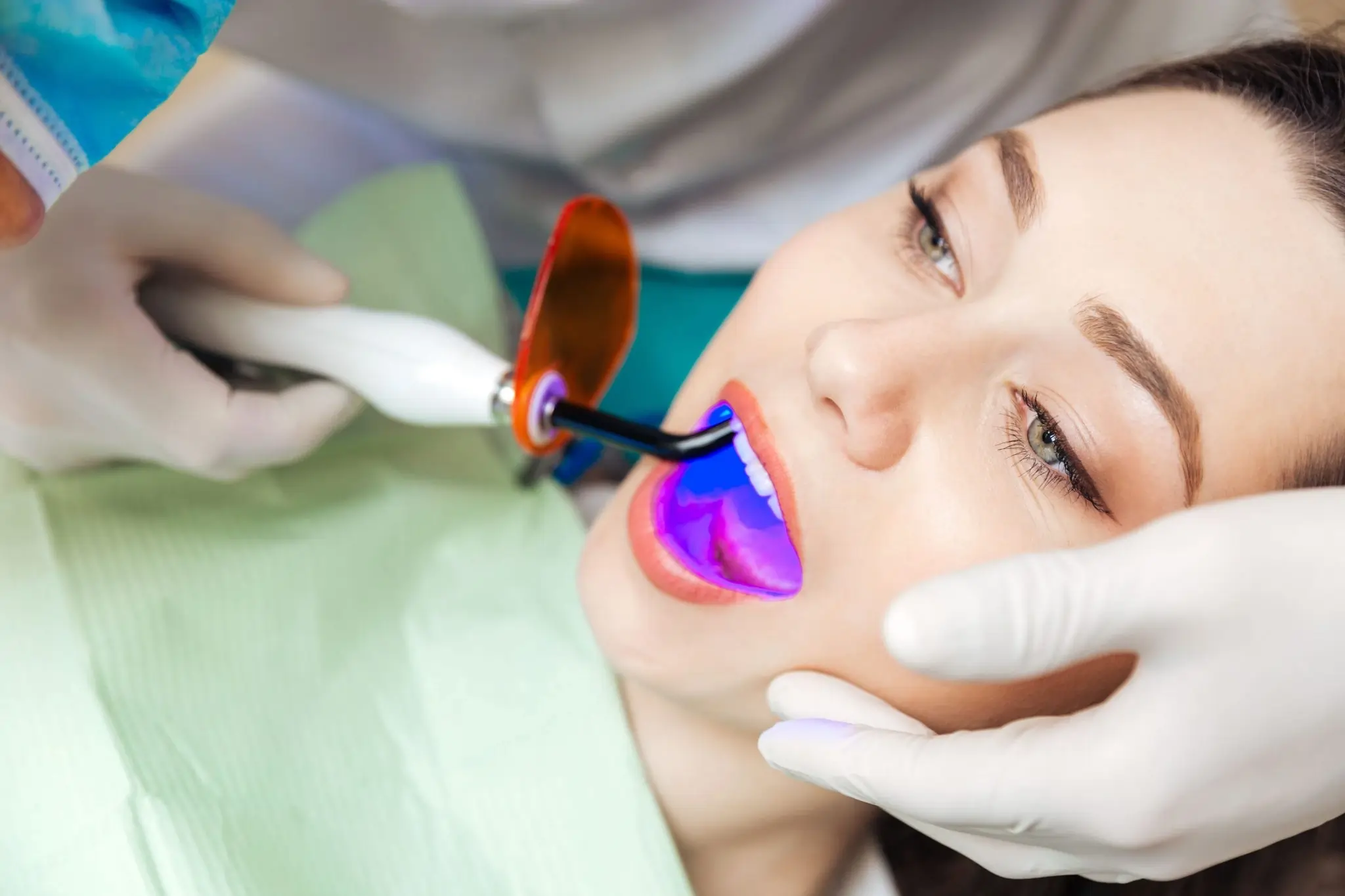
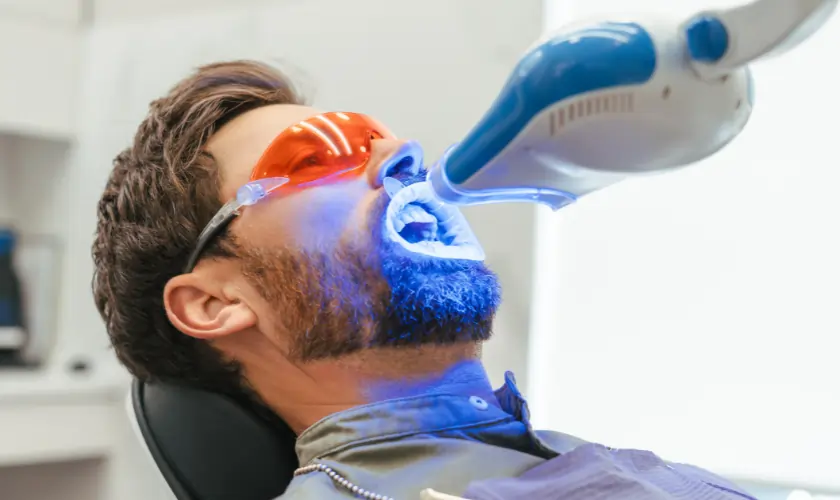
The belief that UV light is necessary for effective teeth whitening is a common misconception. However, research has shown that UV light is not only unnecessary for achieving whitening results but can also pose health risks. Professional dental care is recommended instead of using UV light-based methods, which can result in thermal damage to the soft tissues in the mouth.

For example, a dental clinic reported several cases where patients experienced burns and discomfort following UV light whitening treatments, which underscores the importance of opting for safer, more effective alternatives that do not involve UV exposure. Dentists advocate for methods that provide effective results without compromising patient safety, highlighting the advances in professional whitening techniques that have rendered such methods obsolete.

Safety Considerations and Side Effects

Teeth sensitivity is a common side effect associated with whitening treatments, generally lasting between 24 to 48 hours post-treatment. Accommodations can often be made for individuals with sensitive teeth to ensure comfort during the whitening process, such as using desensitising agents or adjusting the concentration of whitening agents used. Additionally, some whitening products may cause gum irritation if they come into contact with soft tissue, making pre-treatment consultations vital.

For instance, a patient with a history of sensitivity was able to successfully undergo a whitening treatment by using a specially formulated desensitising toothpaste alongside the procedure, which significantly alleviated any discomfort experienced. This illustrates the importance of tailored approaches in professional whitening, allowing for a safer and more comfortable experience for individuals with sensitivity concerns.

Effectiveness of Various Whitening Products Bracknell

The effectiveness of teeth whitening products can vary widely, with professional treatments able to lighten teeth by as much as eight shades using advanced agents. Whitening toothpaste, while popular, primarily removes light surface stains and is considerably less effective than professional whitening products. Products containing hydrogen peroxide are generally more effective than those using carbamide peroxide, making it essential for consumers to choose their whitening products wisely.

An example of this is the American Dental Association’s recommendations, which emphasise selecting ADA-approved products for safety and efficacy. This guidance helps consumers navigate the myriad of whitening options available on the market, ensuring they opt for products that deliver results without compromising their dental health. Understanding the differences in product formulations can empower individuals to make choices that align with their whitening goals and dental needs.

Tips for Maintaining White Teeth Bracknell

To prolong the results of teeth whitening, it is crucial to avoid foods and beverages that can stain teeth while maintaining good oral hygiene practices. Regular dental cleanings and consultations can help ensure ongoing oral health and support the maintenance of whitening effects. Drinking through a straw can help minimise contact between staining beverages and teeth, while using a whitening mouthwash can provide additional support between professional treatments.

For example, a patient who diligently avoided stain-inducing foods and implemented a thorough oral hygiene routine noticed that their whitening results lasted significantly longer than those who did not adhere to such practices. This demonstrates the importance of post-treatment care in maintaining a bright smile. Moreover, many dental professionals recommend scheduling regular check-ups to assess dental health and make adjustments to whitening maintenance strategies as needed, ensuring optimal results over time.

Suitability for Different Age Groups and Conditions Bracknell

Not everyone is a suitable candidate for whitening treatments, making it essential to consult with a dentist for personalised advice. Pregnant or nursing women are often advised to delay whitening due to the uncertain effects on infants, while individuals with existing dental issues, such as decay or gum disease, should address these concerns before undergoing whitening.

For instance, a dentist may recommend alternative treatments for an older adult with sensitive teeth or existing dental restorations, ensuring that the chosen method aligns with their specific dental health needs. This tailored approach helps ensure that patients achieve the safest and most effective outcomes, while also addressing their unique circumstances. Age-related considerations can also impact the choice of whitening method, particularly for older adults whose enamel may be more vulnerable to damage.

Cost Considerations in Teeth Whitening

Professional whitening treatments typically come with a higher upfront cost but offer more effective and lasting results compared to at-home options. While at-home whitening kits may seem appealing due to their lower initial costs, they often require more frequent applications to maintain results, which can add up over time. Additionally, dental insurance may not cover whitening treatments, making it essential for patients to consider their budget and available options before proceeding.

For example, a patient who initially opted for a less expensive at-home whitening kit found themselves spending more in the long run due to repeated purchases and touch-ups, demonstrating the potential long-term savings that can result from investing in professional whitening. Ultimately, understanding the cost implications of various whitening options can help consumers make informed decisions that align with their financial situations and desired outcomes. Prices For Teeth Whitening

Teeth Whitening Myths Bracknell Unveiled

Frequency of Teeth Whitening

The frequency of whitening treatments can depend on individual habits, preferences, and the type of whitening method used. Dentists generally recommend spacing professional whitening sessions to avoid sensitivity and maintain enamel health, ensuring that patients achieve optimal results without compromising their dental integrity. Overuse of at-home whitening products can lead to diminishing returns and increased tooth sensitivity, which can ultimately detract from the overall whitening experience.

Regular evaluations by a dentist can help determine the optimal timing for touch-up treatments, allowing for a tailored approach that takes into account the patient’s specific needs and lifestyle. For instance, a patient who frequently consumes staining foods may require more frequent touch-ups compared to someone who maintains a careful diet, highlighting the importance of personalised care in achieving the best whitening results.

Whitening for Sensitive Teeth

Individuals with sensitive teeth can benefit from specially formulated whitening products that are designed to minimise discomfort. Consulting with a dentist is crucial to determine the best approach for safely whitening sensitive teeth, as certain products may contain lower concentrations of whitening agents to reduce the risk of sensitivity. Post-treatment care, including the use of desensitising toothpaste, can further help alleviate any discomfort experienced during or after the whitening process.

For example, a patient with sensitive teeth successfully underwent a professional whitening treatment by using a tailored product specifically designed for sensitivity, which allowed them to achieve satisfactory results without significant discomfort. This reinforces the idea that with the right guidance and products, individuals with sensitive teeth can still enjoy the benefits of a brighter smile. Conquering Dental Anxiety: Essential Strategies for Stress-Free Check-ups

Professional vs DIY Whitening: Pros and Cons Bracknell

Professional whitening treatments offer personalised treatments and utilise stronger agents that often yield superior results, while DIY methods provide convenience and lower costs. However, DIY methods carry risks of improper application, which can lead to uneven whitening or gum irritation, making professional services a safer choice. Professional treatments include comprehensive dental assessments that ensure safety and tailored results, allowing for a more controlled and effective whitening experience.

An illustrative case involved a patient who attempted a DIY whitening method but ended up with uneven results and gum irritation. After switching to professional whitening, they achieved a well-balanced and bright smile, showcasing the advantages of seeking professional care over DIY attempts. The ability to address specific dental needs and concerns in a professional setting can significantly enhance the whitening experience and outcome.

Frequently Asked Questions: Teeth Whitening Myths Unveiled

1. Is teeth whitening harmful to tooth enamel?

Answer: No, when carried out correctly, teeth whitening does not damage tooth enamel. Professionally formulated whitening products are designed to safely lift stains without weakening enamel, mainly when used under dental guidance.

2. Does teeth whitening make teeth permanently white?

Answer: This is a common myth. Teeth whitening is not permanent. Results can last months or longer, but natural staining from food, drinks, and lifestyle habits means maintenance or touch-ups are usually required.

3. Do natural or DIY whitening remedies really work?

Answer: Many DIY methods, such as baking soda or lemon juice, may remove surface stains temporarily but can be abrasive or acidic, potentially harming enamel. Professional or dentist-approved whitening products are safer and more effective.

4. Will whitening toothpaste dramatically whiten my teeth?

Answer: Whitening toothpaste helps remove surface stains but does not change the natural shade of your teeth. It’s best used for maintenance rather than achieving noticeable whitening results.

5. Is professional teeth whitening better than at-home kits?

Answer: Professional whitening generally delivers faster, more noticeable results because it uses more potent agents under dental supervision. At-home kits can still be effective, but results are usually more gradual.

6. Does teeth whitening cause permanent sensitivity?

Answer: Sensitivity is usually temporary and mild. It may occur during or shortly after treatment, but it typically resolves within a few days. Dentists take precautions to minimise discomfort during professional whitening.

7. Can crowns, veneers, or fillings be whitened?

Answer: No — whitening treatments only work on natural tooth enamel. Restorations such as crowns, veneers, and fillings will not change colour and may need to be replaced to match newly whitened teeth.

8. Are stronger whitening products always better?

Answer: Not necessarily. Stronger products can increase sensitivity if misused. The best results come from using the right strength for your teeth, ideally recommended by a dental professional.

9. Is teeth whitening suitable for everyone?

Answer: Not everyone is an ideal candidate. People with untreated cavities, gum disease, or very sensitive teeth should consult a dentist first. A dental assessment ensures whitening is both safe and effective.

10. How long does it take to see whitening results?

Answer: Results vary by method. Professional treatments can show visible improvement in a single session, while at-home whitening typically takes several days or weeks to achieve noticeable results.

Historical Context of Teeth Whitening Bracknell Methods

Teeth whitening methods have a long and varied history, with ancient Egyptians using pumice and wine vinegar, while Romans employed urine as whitening agents. These historical practices highlight the longstanding interest in achieving a bright smile, yet modern advancements have significantly improved both the safety and effectiveness of whitening treatments compared to these ancient methods. The evolution of whitening techniques reflects changing societal values regarding beauty and self-care, emphasising the ongoing desire for aesthetic enhancement.

Research into teeth whitening has progressed remarkably, leading to the development of more effective and safe products that cater to contemporary consumer needs. For example, innovations in whitening formulations have resulted in products that minimise sensitivity and maximise results, allowing individuals to pursue their desired aesthetic with confidence and comfort. This historical perspective illustrates not only the enduring quest for whiter teeth but also the advancements that have made safe and effective whitening more accessible to the general public today.

Book An Appointment Today To Get Teeth Whitening Treatment

Related Posts